
-
30 mins
-
5 mins
-
5 mins
-
10 mins
-
60 mins


-
30 mins
-
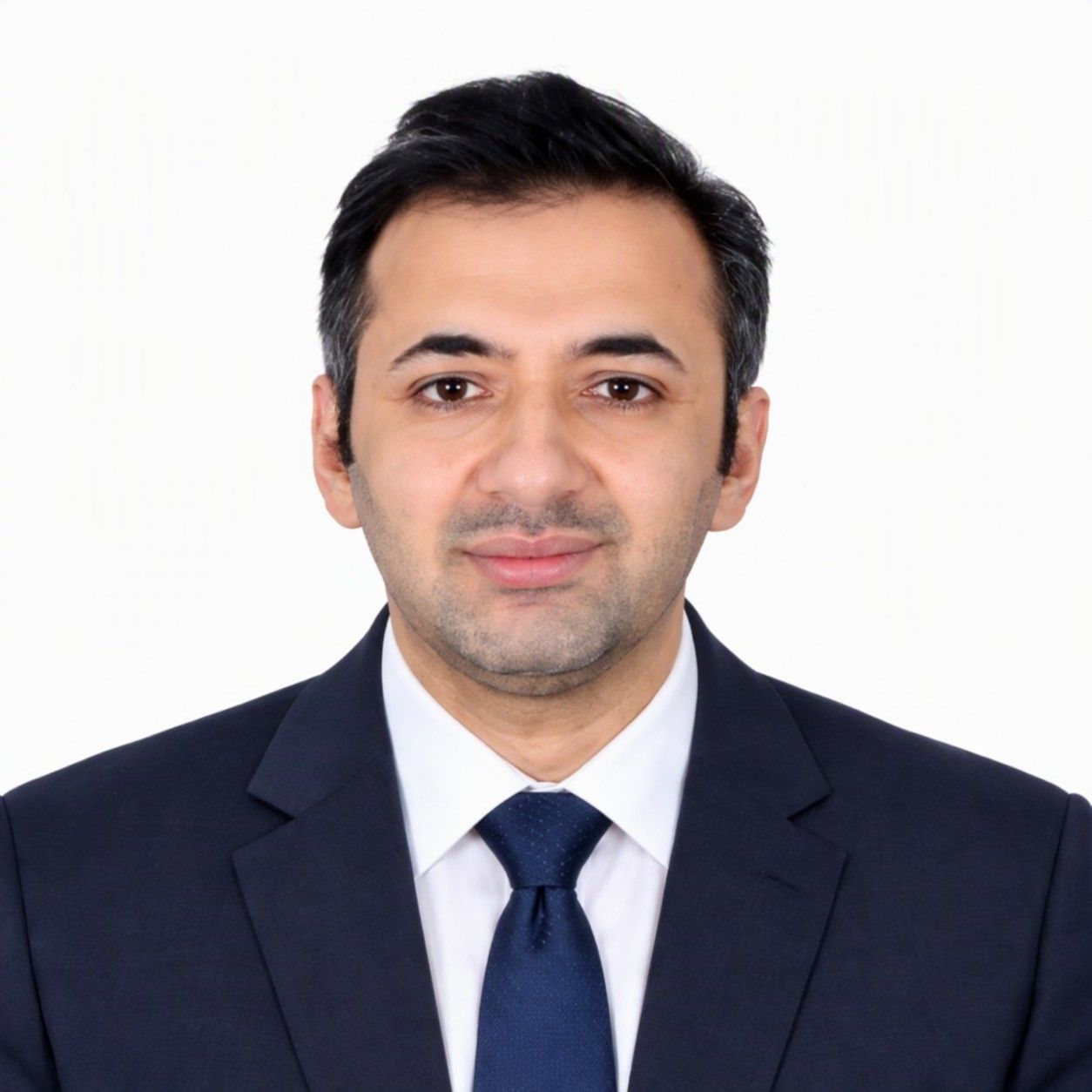
90 minsAs fields mature, reservoir heterogeneity becomes more apparent and fluid distributions more complex. Integrating modern surveillance data with legacy records can help identify bypassed hydrocarbon, optimize well placement, and prevent mechanical or environmental failures. Subsurface characterization and surveillance in mature fields involve continuously monitoring, diagnosing, and updating geological understanding and dynamic models to recover remaining hydrocarbons and maintain asset integrity. Topics for this session can include high-resolution reservoir re-evaluation through tools such as 3D and 4D seismic. Discussion of other topics are encouraged that enhance the understanding of the remaining oil distribution, such as integrated analysis of production data, water breakthrough, production logs, pressure data, etc.Chairperson


-
60 mins
-
90 mins
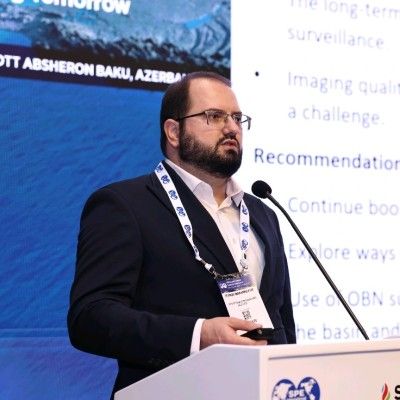
As oil, gas and condensate fields mature, sustaining production increasingly depends on managing reservoirs, wells and surface facilities as one system. Declining reservoir pressures, unexpected water production and ageing infrastructure reduce productivity and increase operating costs. In the South Caspian Basin, mature oil assets require particular attention to water and gas breakthrough, pressure support and gas-lift efficiency. For gas-condensate assets, pressure depletion creates challenges in maintaining well deliverability, managing sand-related drawdown limits and mitigating the effects of condensate banking, liquid loading and water breakthrough. Network and processing constraints can further restrict production, limiting the ability to offset declining output from underperforming wells and sustain plateau rates.
These challenges demand coordinated approaches to well rejuvenation, artificial lift optimisation, flow assurance and bottleneck removal. Intelligent completions, selective water shut-off, sand control, targeted stimulation and additional perforations offer opportunities to restore productivity and access remaining potential. Integrated asset modelling, digital twins and AI-assisted surveillance can improve diagnosis and intervention planning. Combining these capabilities with injection and gas-lift optimisation, gas-well deliquification, reduced facility backpressure and compression can help sustain production and improve recovery.
This session will explore practical technologies and workflows for optimising mature oil, gas and condensate assets, with particular relevance to operating conditions in the Caspian region. Discussions will examine field experience, offshore implementation challenges and lessons learned, connecting subsurface understanding with surface operations. A central question will guide the discussion: How can emerging technologies and an integrated approach help operators overcome production constraints, sustain deliverability and maximise value from existing assets?
ChairpersonSpeakers





-
30 mins
-
90 mins
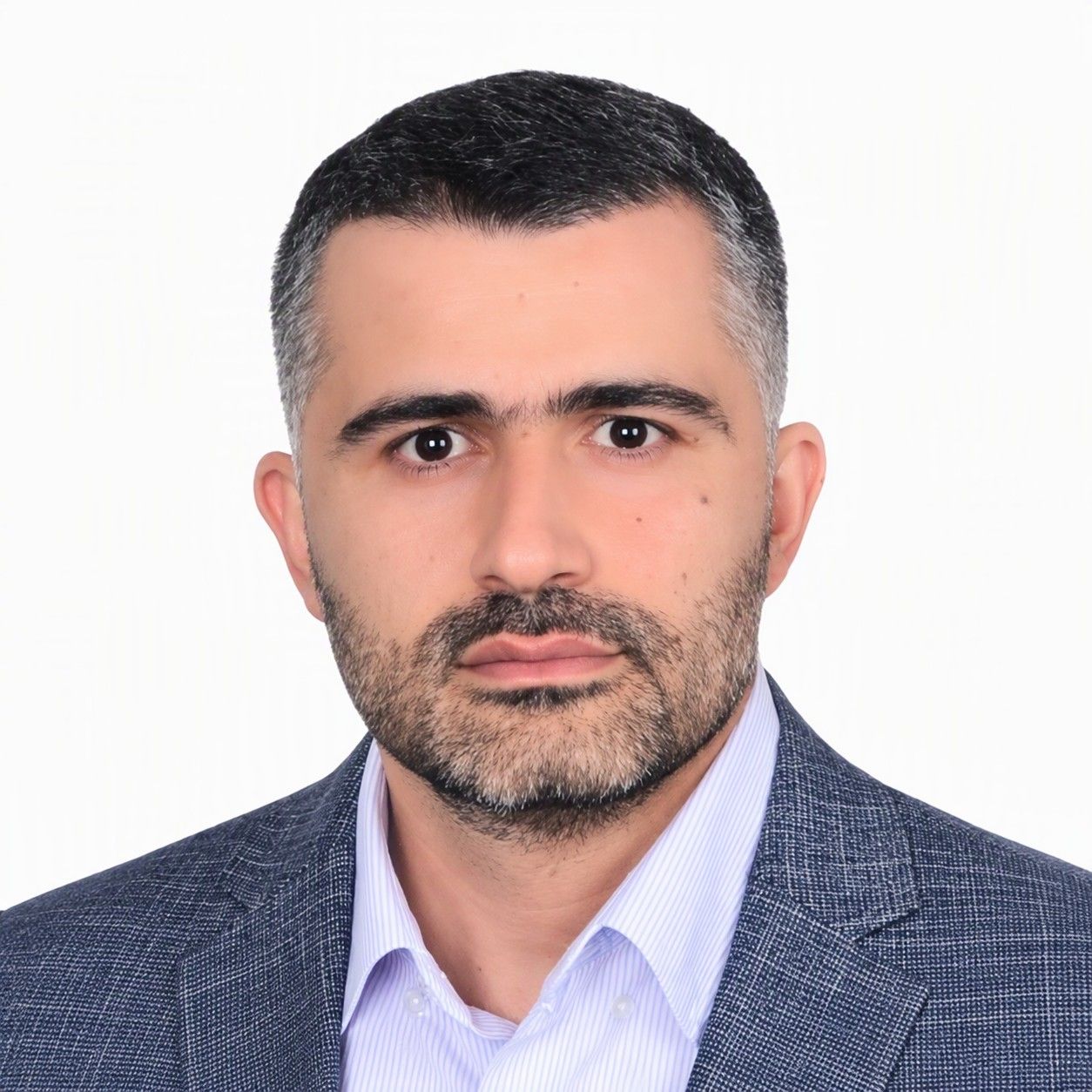
Mature oil and gas fields eventually suffer from natural pressure depletion, high water production, and/or trapped fluids. Implementing Enhanced Recovery methods can address these challenges by targeting fluids trapped in the original depletion mechanism or by improving sweep performance. Topics for this session can include expansion and optimization of secondary recovery mechanisms such as waterflood and gas flood. Topics can also discuss tertiary EOR methods, such as miscible gas/CO2 injection, chemical flooding (polymers/surfactants), water-alternating-gas or thermal recovery. Examples of enhanced recovery in mature gas fields are also encouraged, such as enhancing recovery of trapped gas or recovery of dropped out condensate. Discussions of implementation challenges (technical and economic) are encouraged.
Chairperson



-
30 mins
-
60 mins
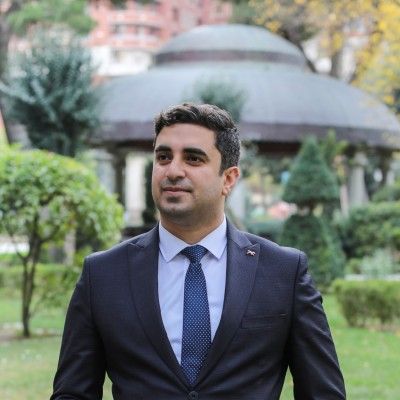
In mature fields remaining oil is often trapped in small-isolated pockets, tight compartments, or thin oil columns, or riskier areas. Well technologies, different from those implemented at the start of field production, can unlock these resources efficiently. Topics for this session can include drilling strategies such as: infill drilling strategies, sidetracking existing wells, slot reclamation, extended reach drilling, long horizontal wells. Topics can also include completion strategies to increase reservoir exposure such as horizontal wells, or fishbones. Examples of real-time directional drillings to navigate the reservoir are also encouraged.
Chairperson



-
30 mins
-
90 mins
Maximizing production from mature assets requires more than drilling new wells and executing successful well intervention campaigns. While these activities can increase production potential and recover declining well performance, their long-term value depends on the integrity, reliability and continued operability of the wells and production infrastructure through which hydrocarbons are produced, processed and transported.
Aging assets face a range of degradation mechanisms that can increase operational risks, constrain production, cause unplanned downtime, and threaten long-term asset viability.
Effective integrity management across four key areas – well integrity, production facilities integrity, structural integrity and pipeline integrity is essential to preserving production capability and maximizing the value of mature assets. Each presents distinct technical challenges and requires appropriate assessment, monitoring, risk-based prioritization and timely remediation to maintain safe operating conditions and manage the remaining asset life.
This session will explore the challenges of managing aging wells, topside production facilities, offshore structures and pipelines, highlighting the role of robust integrity management in sustaining operational reliability and production performance. It will also consider how integrity management complements production enhancement initiatives, including new well drilling and well intervention campaigns, helping operators realize and sustain production potential while extending the safe and economic life of mature assets.


-
60 mins
-
90 mins
As mature oil and gas fields face declining production, effective screening methodologies are essential for identifying the most technically feasible and economically viable revitalization opportunities. This session explores innovative approaches that integrate data gathering, analog field benchmarking, reservoir modeling, and economic evaluation to assess and prioritize production enhancement options. By combining technical insights with financial screening, operators can accelerate decision-making, optimize investments, and unlock additional value from aging assets.
Chairperson


-
90 minsMature oil and gas fields eventually suffer from natural pressure depletion, high water production, and/or trapped fluids. Implementing Enhanced Recovery methods can address these challenges by targeting fluids trapped in the original depletion mechanism or by improving sweep performance. Topics for this session can include expansion and optimization of secondary recovery mechanisms such as waterflood and gas flood. Topics can also discuss tertiary EOR methods, such as miscible gas/CO2 injection, chemical flooding (polymers/surfactants), water-alternating-gas or thermal recovery. Examples of enhanced recovery in mature gas fields are also encouraged, such as enhancing recovery of trapped gas or recovery of dropped out condensate. Discussions of implementation challenges (technical and economic) are encouraged.Chairperson