.jpg)
-
60 mins
-
10 mins
-
30 mins
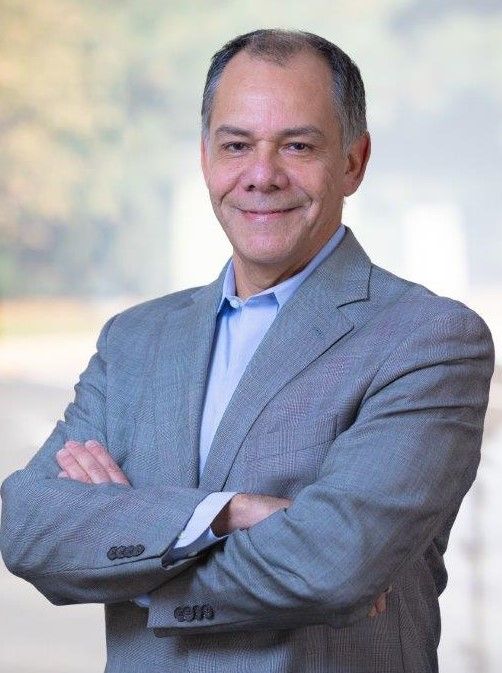
Carlos Tapia, Ph.D. Global Director, Energy Practice
Barrels In, Barrels Out: A Project Management Perspective to Unlock Lost Production and Profit in Water Injection Investment
Many oil & gas development projects require water injection either from the start of production or during their life cycle. In conventional reservoir waterflood developments a substantial fraction of the total recoverable volume is based on getting water injection right from the planned start.
Given the extensive application of waterflooding and the associated large capital investment, this keynote speech leverages IPA’s extensive database of E&P projects to understand key project management drivers of successful water injection capital delivery.
The presentation will show historical water injection performance results, lessons learned from this performance, and propose key project management practices that drive success.
About Carlos Tapia
Carlos is Director of IPA’s Integrated Energy Practice. In this role, he leads IPA’s energy business initiatives by helping integrated energy companies, national oil companies, and independent operators deliver competitive capital project opportunities. His responsibilities include providing global energy business leaders with unbiased facts, data analytics, and research-based advice to deliver sustainable returns on both traditional and alternative energy projects (e.g., lower carbon technologies; carbon capture, utilization, and storage [CCUS]; renewables; etc.).
-
120 mins
Once water makes it to the surface from a producing interval downhole, it needs to be treated for either disposal or re-injection. In this session we will address the benefits and shortcomings of technologies aimed at reducing the percentage of solids, bacteria, emulsions, acidity, turbidity, etc.
Session Chairpersons: Lauren Flores, Chevron; Luis Quintero, Oilfield Development Specialists
Speakers:
- Biocontrol Mechanisms in Sulfate Removal Plants: Comparative Evaluation of Biocides in RO/NF Membranes
Antonio Ricardo Pereira de Carvalho, Kurita Water - Decreasing Water Chemical Footprint with Iron Scavenging and Biocide Potentiation
Jorge Abuto, Solugen; Andres Mazo, Chevron; Matheus Paschaolino, Solugen; Carlos Diaz, Solugen - Controlled Hydrocavitation Successfully Removes Barium from Produced Water from Texas Wells
Luis Quintero, Oilfield Development Specialists; Gregg Montgomery, Vortex Water Solutions - Membrane Seawater Deaeration: Johan Castberg Seawater Treatment Unit - Experience From First Year Operation
Dina Margrete Amdal, Equinor
- Biocontrol Mechanisms in Sulfate Removal Plants: Comparative Evaluation of Biocides in RO/NF Membranes
-
20 mins
-
90 mins
This session examines the direct impact of injection water quality on field performance and highlights how proactive surveillance can prevent costly operational downtime. Authors will explore the application of advanced technologies, including subsea sulfate removal and low-salinity water injection, to enhance recovery and maximize reservoir value, alongside key lessons learned and best practices from offshore developments.
Session Chairpersons: Luciana Gusmão Freire, Equinor Brazil; Shaya Movafaghian, CETCO Energy Services
Speakers:
- Water Injection Surveillance - Anticipating a Problem, Avoiding Downtime
Lara Almeida, SBM Offshore - Impact of Injected Water Quality on Operational Results
Lucas Pavan Barros, Petrobras - Improving Recovery with Subsea Sulfate Removal and Low Salinity Water Injection
Torbjørn Hegdal, NOV
- Water Injection Surveillance - Anticipating a Problem, Avoiding Downtime
-
75 mins
-
90 mins
This session examines key technical and operational challenges in PWRI, integrating surface and subsurface perspectives to enhance performance and sustain injectivity. Discussions will focus on water‑quality KPIs, reservoir compatibility, and effective diagnosis of injectivity decline. Field cases and lessons learned will support the development of practical best practices for more reliable and sustainable PWRI operations.
Session Chairpersons: Pierre Pedenaud, TotalEnergies; Juliana Facanha, Shell
Speakers:
- Produced Water Re-Injection in Offshore Waterfloods: Lessons Learned on managing Water Quality, Injectivity and impact on Asset Value
Bert-Rik de Zwart, Shell - From Constraint to Injection Capacity: Advancing Produced Water Reinjection in Campos Basin Mature Fields
Bruno Freiman, Petrobras - Produced Water Injection Reservoir Damage Restauration - TotalEnergies Experience
Jalel Ochi , TotalEnergies
- Produced Water Re-Injection in Offshore Waterfloods: Lessons Learned on managing Water Quality, Injectivity and impact on Asset Value
-
15 mins
-
90 mins
This session focuses on the environmental risk management of produced water discharges, covering chemical risk assessment of contaminants such as hydrocarbons, naphthenic acids, production chemicals, heavy metals, and NORM, along with associated toxicity thresholds and exposure pathways. Topics include the fate and transport of discharged constituents—dilution, dispersion, biodegradation, and bioaccumulation—under site‑specific ecological and hydrodynamic conditions. The session also highlights treatment technologies and operational practices that reduce residual oil, toxicity, and discharge variability. Regulatory frameworks and risk‑based discharge criteria at national and international levels are addressed, along with monitoring program design, data uncertainty considerations, and adaptive approaches that support continuous improvement in environmental risk management.
Session Chairpersons: Rogerio Carvalho, Petrobras; Gizem Ersoy Gokcal, ExxonMobil
Speakers:
- A Risk-based Framework to Marine Environmental Monitoring in Offshore Guyana
Trent Key, ExxonMobil - Analytical Screening to Accelerate Water Soluble Organics (WSO) Treatment Technology Development
Jagadeesh Unnam, SLB - Challenges of Water-Soluble Organics in Offshore Produced Water Systems
Wally Georgie, Maxoil Process Consultancy
- A Risk-based Framework to Marine Environmental Monitoring in Offshore Guyana
-
90 mins
-
30 mins
-
90 mins
This session explores the fundamentals and innovations surrounding the oil separation process. This process of three-phase equipment design includes gas, oil, water, and solids. Aspects of mechanical and chemical solutions for water management will be discussed.
Session Chairpersons: Dina Margrete Amdal, Equinor; Stephen Coffee, Produced Water Solutions
Speakers:
- Separation Debottlenecking with Advanced Mechanical Low-Shear Technology
Niels van Teeffelen, Typhonix - Early Detection OIW (Oil in Water)
Pierre Pedenaud, TotalEnergies - Bacalhau Field: Start-up and Clean-up Fluid Treatment Strategy
Tania Ferreira Byrkjeland, Equinor
- Separation Debottlenecking with Advanced Mechanical Low-Shear Technology
-
30 mins
-
90 mins
Session Chairpersons: Juliana Facanha, Shell; Deepak Bassi, SLB
The goal of this interactive session is to expand the learning and networking experience. Small groups, led by a facilitator, will have the opportunity to openly discuss and collaborate on:
- Produced Water Treatment Technologies & Future Outlook
- Regulatory & Environmental Performance
- Chemistry & Fouling Management
- Subsurface-Surface Integration for Water Management
- Monitoring, Automation & Digital Optimization
-
60 mins
-
90 mins
This session shares best practices and produced water management trends as well as overall integrated water management strategies, from treatment to the full lifecycle of water. With increasing produced water rates, the role of produced water and the opportunities in today’s energy expansion market will be discussed.
Session Chairpersons: Stephen Coffee, Produced Water Solutions; Wally Georgie, MaxOilConsultancy
Speakers:
- Water Management in the Peregrino Field: Lessons Learned and Future Perspectives
Manoel Farias, Thamires Laranjeiras de Souza, Victor Fischer, PRIO - Challenges with Mature Fiield High Produced Water Volume
Pierre Pedenaud, TotalEnergies
- Proactive Management of Iron Sulfide – a Microbiological Perspective in Matured PW systems
Ken Wunch, Lanxess Materials Protection Products
- Water Management in the Peregrino Field: Lessons Learned and Future Perspectives
-
30 mins
-
90 mins
An optimum water management scenario reduces the produced water from hydrocarbon bearing zones, so that the handling, treatment, re-injection, or disposal costs are minimized. In this session will highlight state-of the art wellbore integrity, fluid saturation diagnostics, flow profiling, and conformance technologies that aim at achieving this goal at the wellbore level, where the water influx starts.
Session Chairpersons: Rogerio Carvalho, Petrobras; Luis Quintero, Oilfield Development Specialists
Speakers:
- Instantaneous Densification of Cement to Prevent Water Flow Behind Casing
Luis Quintero, Oilfield Development Specialists; Jim Rairigh, WT Bell Int'l - Rock-on-a-Chip and Produced Water Reinjection: Microfluidic Techniques for Evaluating Injectivity Loss
Jan Clinckspoor, CNPEM - Impact of Water Control in Enhanced Oil Recovery Wells
Chip Westaby, Benchmark Measurement Solution
- Instantaneous Densification of Cement to Prevent Water Flow Behind Casing
-
30 mins
-
90 mins
Water quality constitutes a critical determinant in advanced reservoir management, directly influencing the efficacy of oil recovery. The process of water injection not only maintains reservoir pressure but also facilitates the mobilization of hydrocarbons by providing the necessary drive energy. Key operational parameters—including injectivity index, susceptibility to reservoir souring (notably via sulfate-reducing bacteria activity), composition of produced water and reservoir reactivity—are fundamental to preserving reservoir integrity and optimizing both sweep efficiency and ultimate recovery factor. This session will examine the interactions occurring within the reservoir matrix, discuss water quality specifications required for sustained operations, and present best practices for the integrated management of water systems in field-scale applications.
Session Chairpersons: Aline Machado de Azevedo Novaes, Petrobras; Torbjørn Hegdal, NOV
- Integrating Polymer EOR into Water Management Strategies: Field Evidence of Reduced Water Production and Enhanced Oil Recovery
Célia Silva, SNF - New Density-based Water Shut-off Solution, Now Deployed on the NCS
Frederico Resende de Carvalho, Welltec - The Importance of Water Analyses for Water/Reservoir Management
Ana Mehl, UFRJ
- Integrating Polymer EOR into Water Management Strategies: Field Evidence of Reduced Water Production and Enhanced Oil Recovery
-
30 mins
-
90 mins
This session will address mature-field challenges driven by rising produced water rates and EOR methods such as polymer flooding or another that alters the characteristics of the produced water. We will discuss how high production water rates or changes in water composition can impact surface operations—particularly separation, treatment, water reuse/injection, and discharge compliance. The goal is to share practical learnings and integrated approaches that maintain operational efficiency while meeting environmental and regulatory requirements.
Session Chairpersons: Daniela Renta, Grupo Capsa; Claudio Furtado, Petrobras
Speakers:
- Potential Impacts of CO2 on Produced Water Treatment
Hugo Rotband Di Lorenzo, Petrobras - Produced Water Reinjection for Chemical EOR: Operational Lessons Learned
Matthieu Cognet, SNF - Produced Water Pre-Treatment in Polymer Flooding Operations: From Chemical Treatment to Physical Separation — Lessons Learned from a Field Pilot
Augusto Croce, Grupo CAPSA
- Potential Impacts of CO2 on Produced Water Treatment
-
60 mins
-
90 mins
Flow Assurance applies economical and technically sound processes to ensure reliable delivery of reservoir fluids from the pore space to production facilities. This session examines water management challenges through a flow assurance lens, including inorganic scale control, souring mitigation, solids handling, corrosion management, and water quality assurance.
The discussion will cover Flow Assurance–driven well interventions, such as chemical water shutoff, scale inhibitor squeezes, chelant, and acid treatments for scale remediation and well reactivation, and tracer diagnostics to evaluate system performance and treatment effectiveness.
Session Chairpersons: Paul Evans, Chevron; Luciano Endres, Petrobras
Speakers:
- Scale Control to Prevent Flow Assurance Production Losses: Integrating Continuous Inhibition, Scale Removal and Inhibitor Scale Squeeze Treatments
Tiago Cavancante, Petrobras - Development of a Methodology for Optimizing Scale Inhibitor Injection as a Function of Water Cut: A Field Case Study
Monica A. Canalizo-Hernandez, Vijay R, Deepak T, ExxonMobil - Beyond Nitrate and Sulfate Removal: A Structured Approach to Find Alternative Reservoir Souring Mitigation Chemistries
Sean Shi, Shell
- Scale Control to Prevent Flow Assurance Production Losses: Integrating Continuous Inhibition, Scale Removal and Inhibitor Scale Squeeze Treatments
-
30 mins
-
90 mins
This session aims to provide a comprehensive review of best practices across all facets of produced water management, highlighting real-world case studies and emerging topics. We will learn from practitioners about the technical, economic, and environmental complexities of produced water and how they have been overcome.
Session Chairpersons: Pierre Pedenaud, TotalEnergies; Shaya Movafaghian, CETCO Energy Services
Speakers:
- Achieving 98% Recovery and Discharge Compliance: A Multi-Year Case Pilot and Full Scale Study of Organic Metal UF Membranes in the East China Sea.
Jinwen Wang, Polycera - Advances in Membrane Technology for Produced Water Treatment in the Oil and Gas Industry
Rodrigo Hepp, Hydranautics - Managing Produced Water from Injector to Producer: Field Case Histories in Injectivity Enhancement and Water Cut Reduction
Fernando Neder dos Santos, Fabricio Ghiotto, SLB
- Achieving 98% Recovery and Discharge Compliance: A Multi-Year Case Pilot and Full Scale Study of Organic Metal UF Membranes in the East China Sea.
-
15 minsMust be present to win