
-
Registration Desk - Ground Floor570 mins
-
Speaker Check In Room - Ground Floor570 mins
-
Murban Auditorium - Ground Floor60 mins
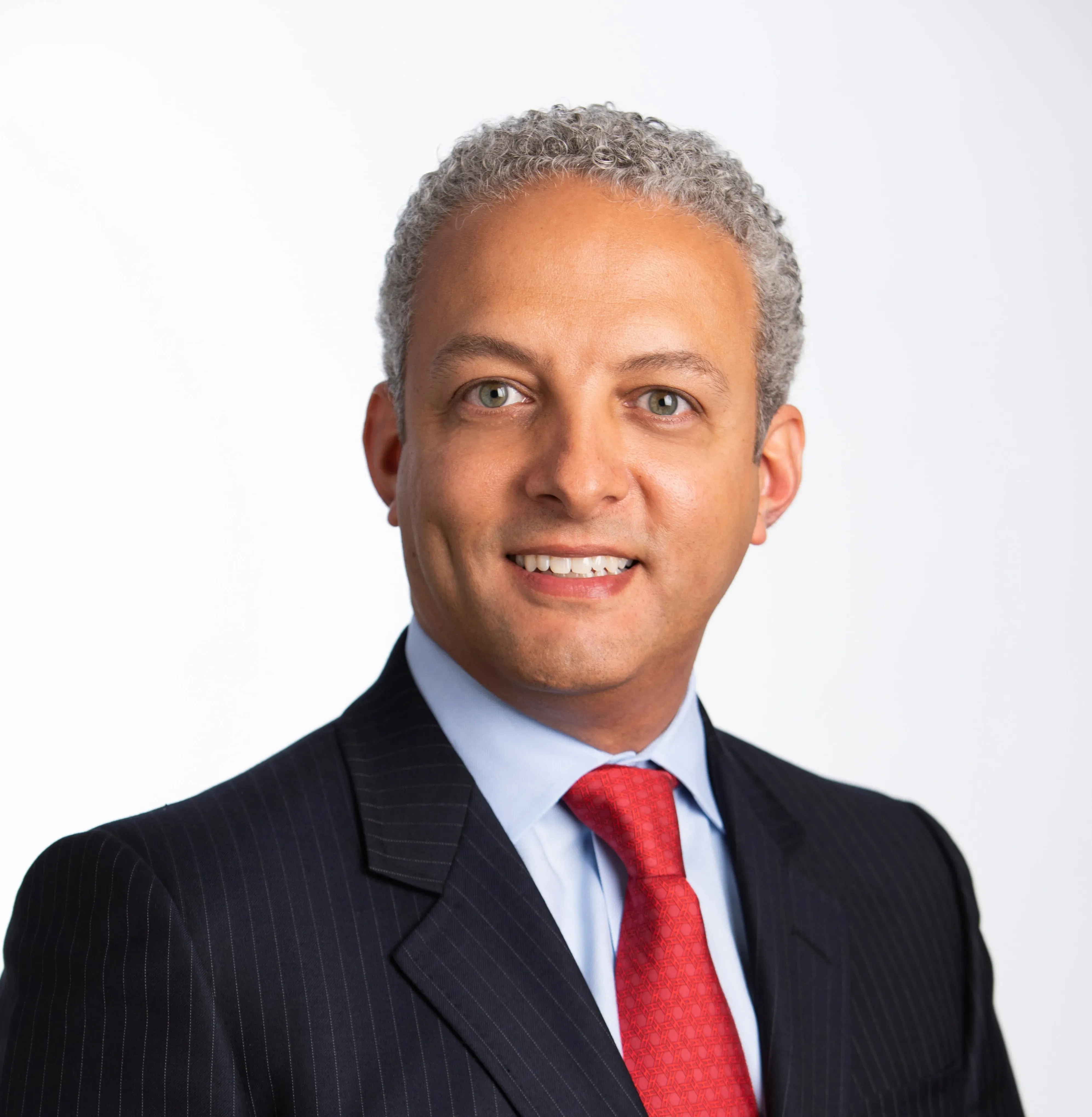
- Keynote Speaker


-
Murban Auditorium - Ground Floor60 mins
- Executive Plenary Sessions
Navigating Geopolitical Escalation, Energy Security, and the New Operating Baseline
The recent geopolitical escalation in the Middle East has redrawn the risk map for the global energy industry. Threats to maritime chokepoints, critical infrastructure, cyber domains, and workforce mobility are no longer tail risks, they are the new operating baseline. In this environment, Business Continuity and Crisis Management cease to be compliance disciplines and become core strategic capabilities that determine an operator's license to produce, its ability to honor contracts, and ultimately its enterprise value.
Modern resilience rests on four converging pillars: Strategic Situational Awareness, the capacity to sense weak signals across geopolitical, cyber and physical domains before they cascade; Decision Velocity Under Uncertainty leadership willing to commit with incomplete information and empower the edge of the organisation; Redundancy by Design diversified routes, partners, digital architectures and financial reserves engineered for optionality, not efficiency alone; and Trust as an Asset deep relationships with host governments, communities, regulators and partners that compound into real-world response capacity when crisis strikes.
This plenary convenes CEOs, operators and strategists to confront the questions now sitting on every executive's desk: How do we lead through simultaneous, overlapping crises? Where do we invest to harden the enterprise without hollowing out competitiveness? And how do we build the organisational muscle not merely to survive disruption but to emerge from it with advantage?
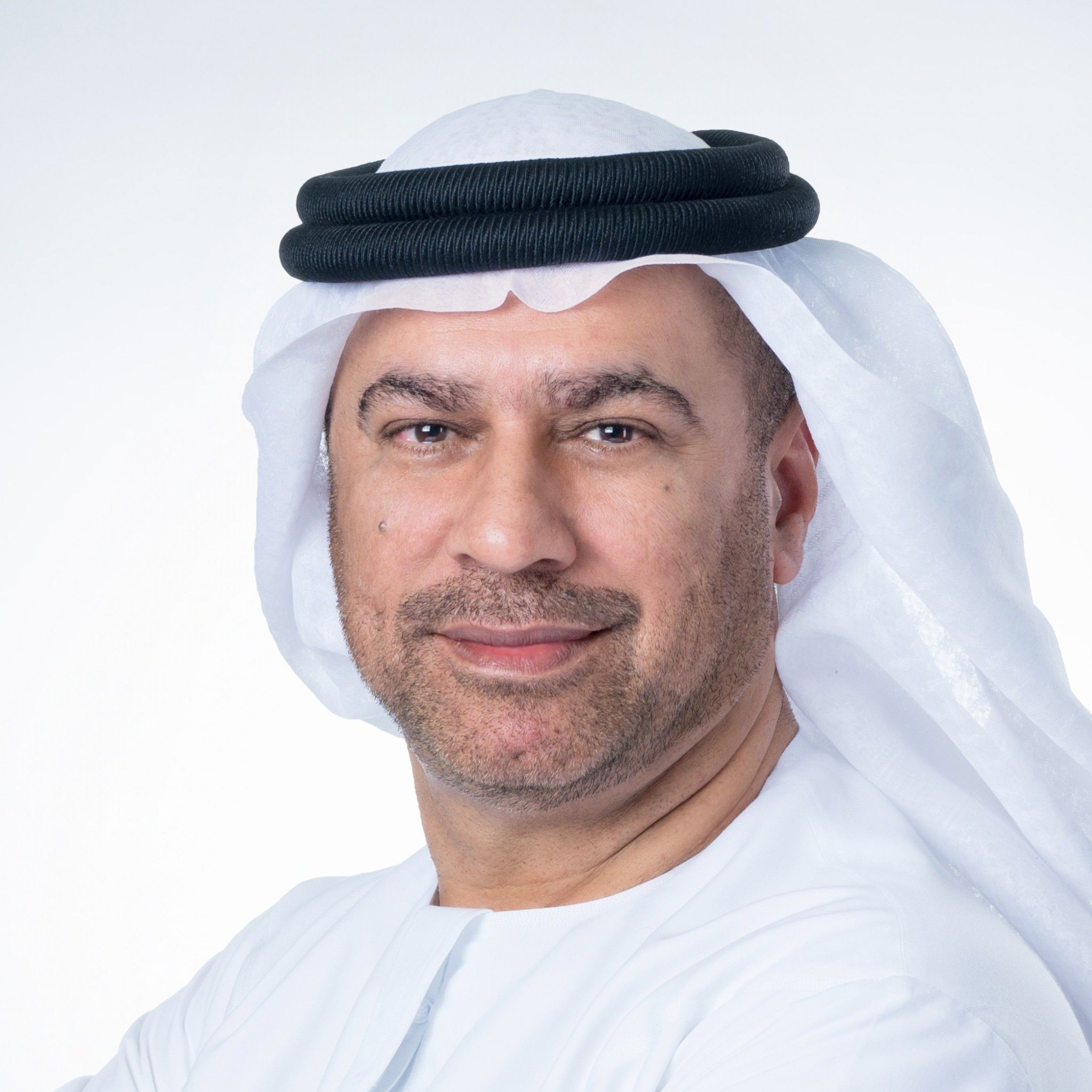
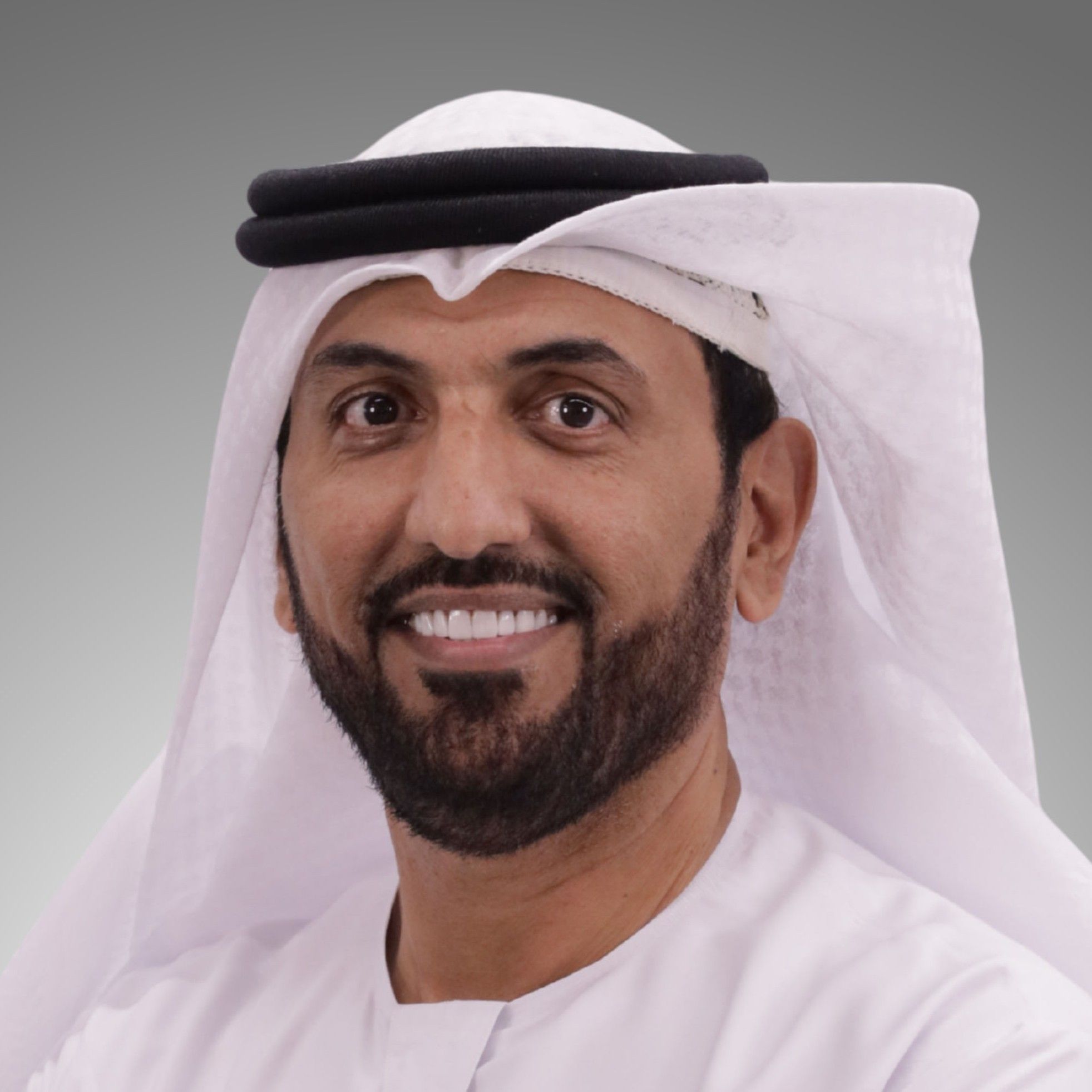
Moderators
-
Exhibition Floor30 mins
-
Exhibition Floor360 mins
-
Murban Auditorium - Ground Floor60 mins
- Executive Plenary Sessions
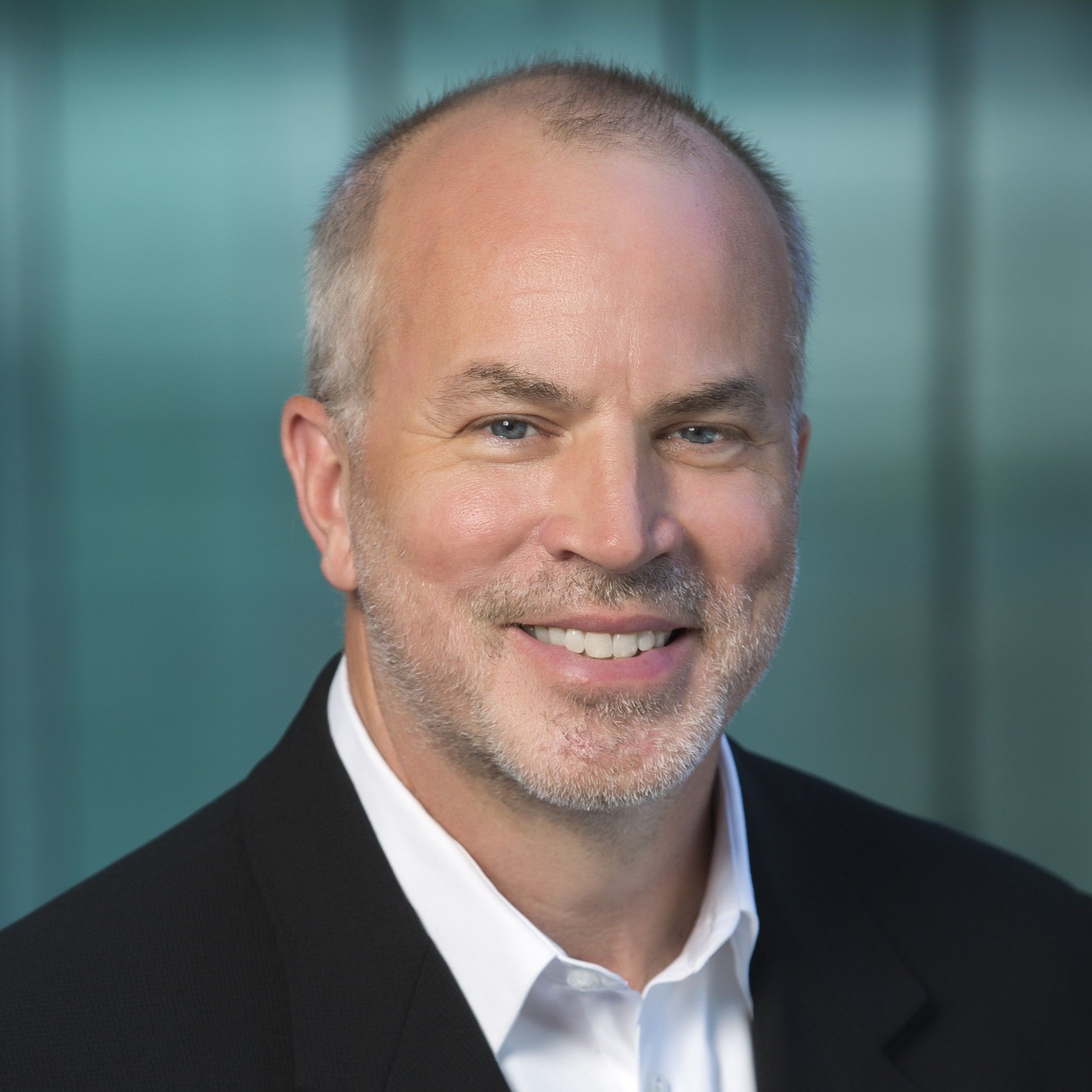
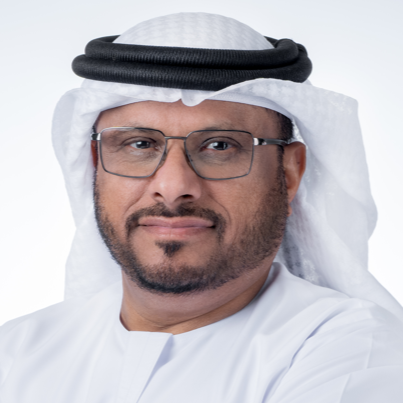
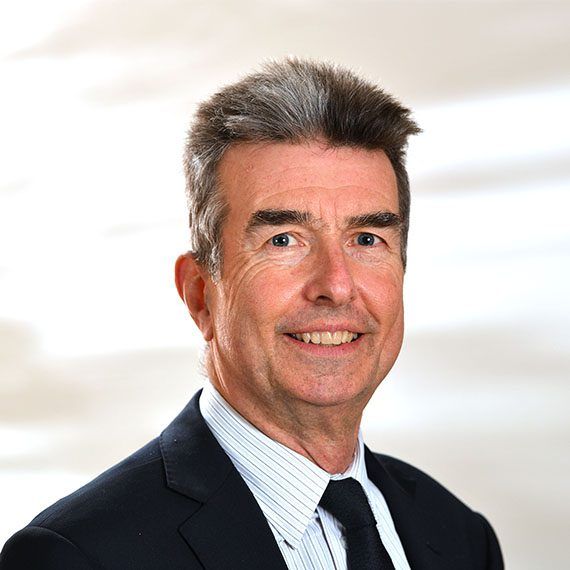
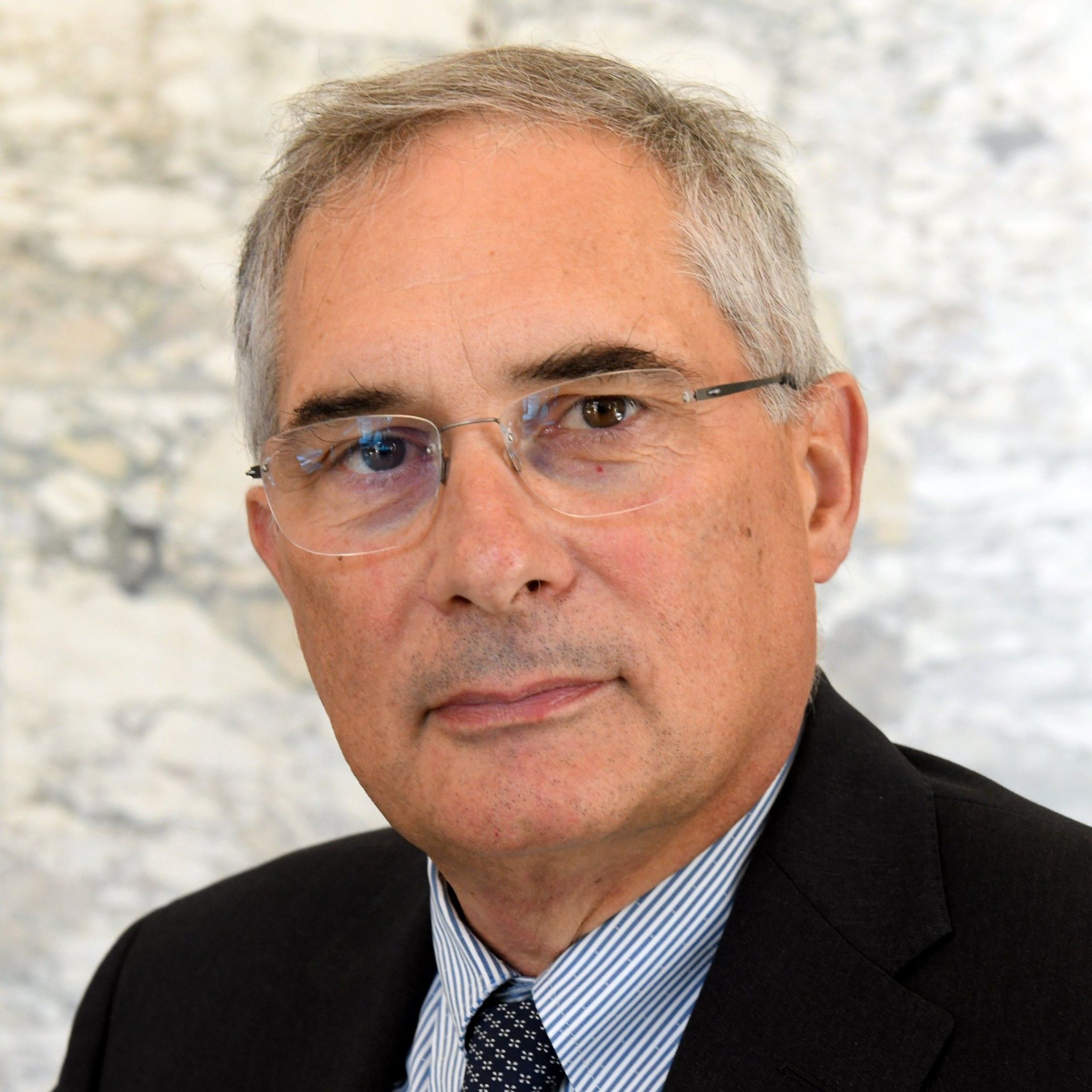
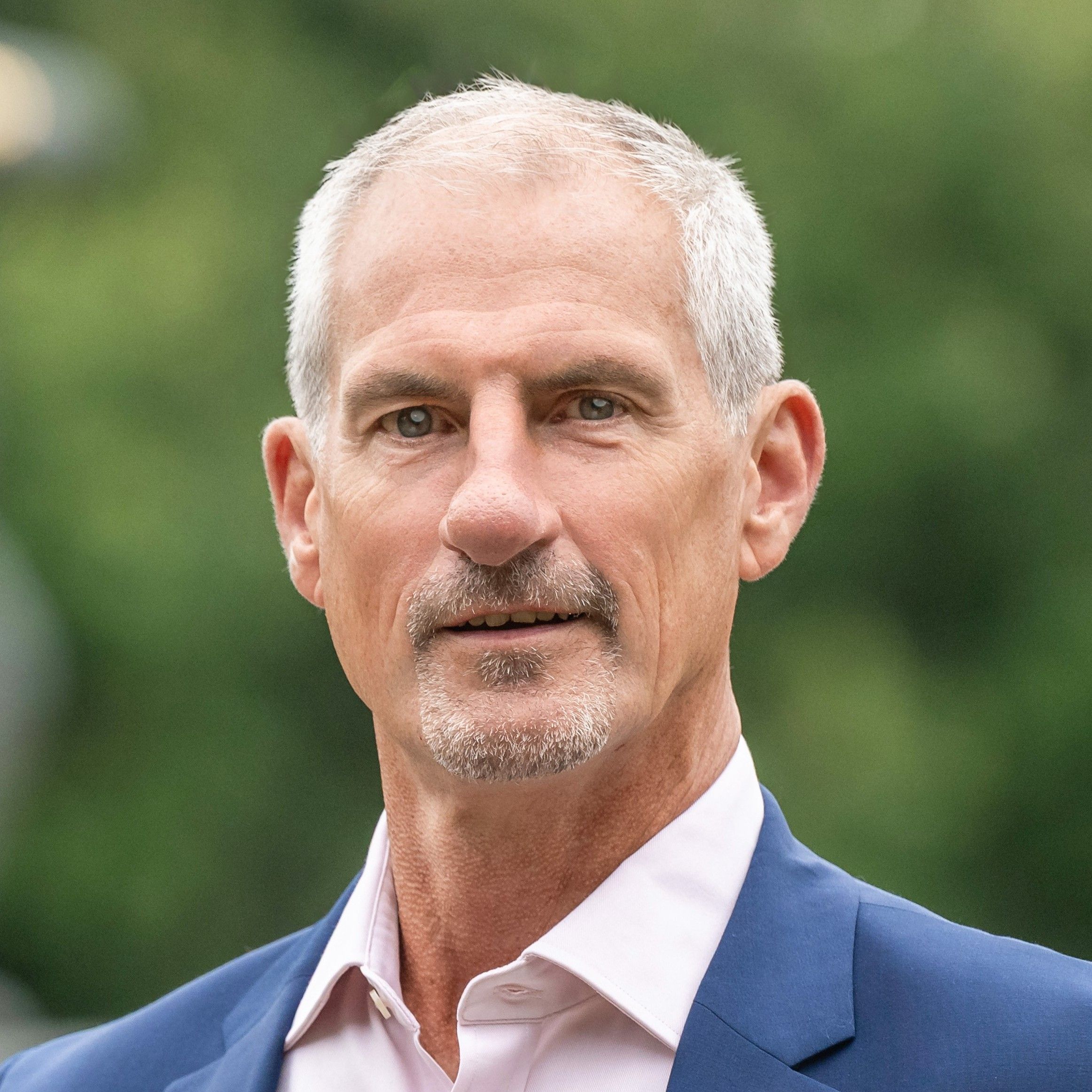
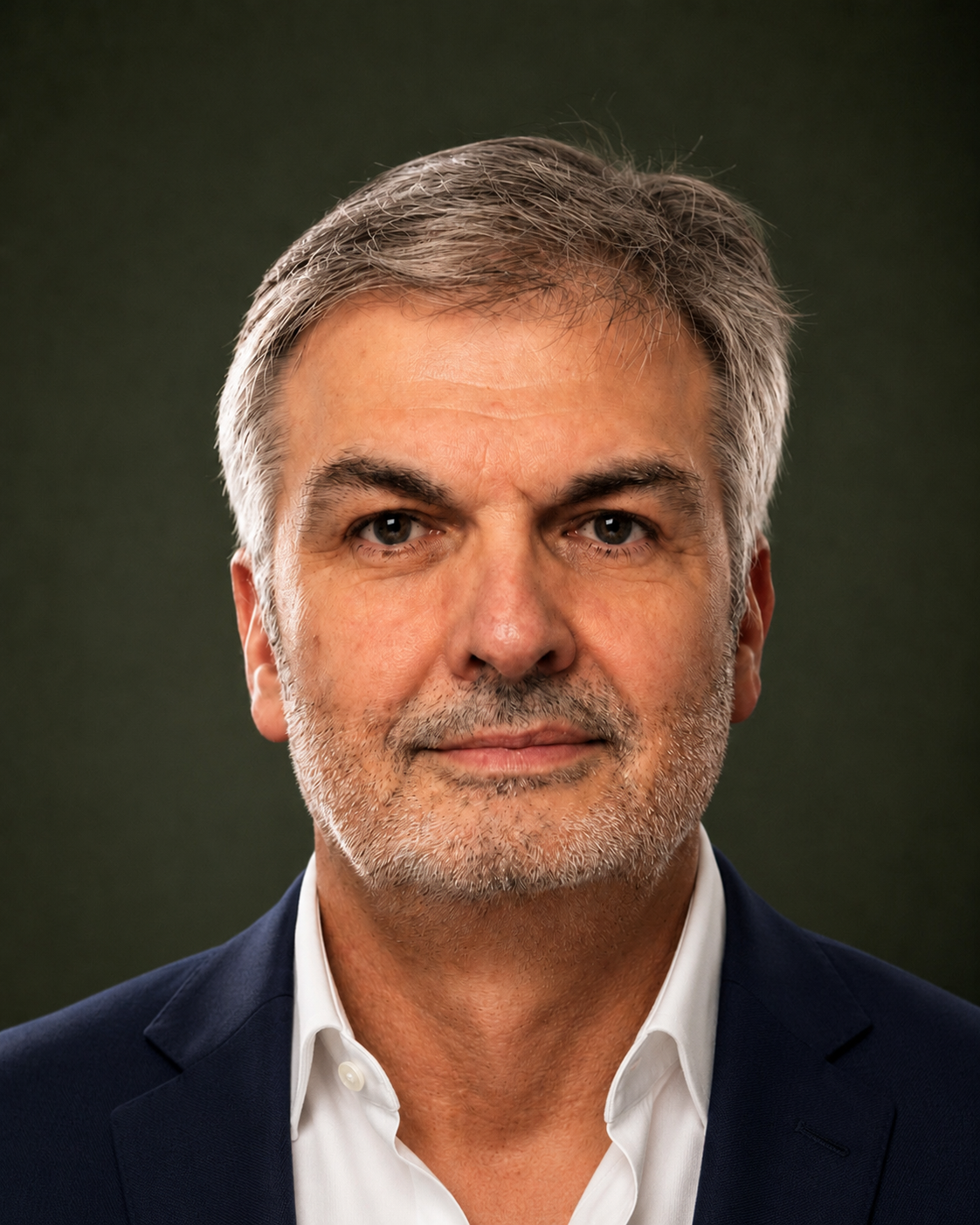
Leadership within the “Window of Tolerance”—Enhancing Safety Capacity
In complex and high‑stakes operational environments, safety is no longer achieved merely by preventing errors but by building the capacity to fail safely. Modern safety leadership requires creating the conditions in which people can perform reliably amid uncertainty, variability, and pressure. This means cultivating an organisational climate where individuals operate within their “Window of Tolerance” the optimal zone in which they can think clearly, adapt, and make sound decisions even under stress. At the heart of this approach lies Psychological Safety, a foundational element that enables open communication, early reporting of weak signals, and constructive challenge. When people feel safe to speak up, organisations gain access to critical operational intelligence that would otherwise remain hidden until it is too late. Equally essential is embracing Human Performance principles: understanding that people are the system’s adaptive strength, not its vulnerability. Effective leaders shift from a mindset of controlling human behavior to one of supporting human capacity, recognising that mistakes can happen, but harm should not. A truly learning organisation amplifies these principles by continuously seeking to understand how work is done not only when things go wrong, but especially when things go right. By valuing curiosity, reflection, and the systematic capture of learning from normal operations as well as from failures, leaders build resilience into the system and foster continuous improvement. This plenary will explore how today’s leaders can integrate these concepts to redefine safety leadership—moving from a reactive, compliance‑driven model to a proactive, capacity‑focused one. It invites executives to consider how their own behaviors, communication patterns, and decision‑making practices directly shape the organisation’s ability to adapt, learn, and ultimately fail safely.
Panelists
-
Al Gurm Ballroom - Ground Floor60 mins
-
Murban Auditorium - Ground Floor60 mins
- Special Sessions
The most complex HSE challenges climate risk, major accident prevention, digital transformation, and workforce sustainability cannot be solved by individual organisations alone. Industry collaboration through associations, joint initiatives, and cross-sector forums has accelerated progress in standards harmonisation, data sharing, and collective learning. This session will explore how collaboration can move beyond policy alignment toward measurable safety, environmental, and social outcomes. Leaders from global institutions will discuss how trust, transparency, and shared accountability frameworks enable faster innovation while reducing duplication and systemic risk across the energy ecosystem.
Moderators -
Al Ghaf 1 (First Level)60 mins
- Special Sessions
As global expectations and regulatory requirements around human rights due diligence (HRDD) and disclosure continue to intensify, the oil and gas industry finds itself uniquely positioned at the forefront of this evolution. Operating in complex, high-risk environments for decades, the sector has developed extensive experience identifying, assessing, and managing human rights impacts across operations, supply chains, and stakeholder relationships. Many companies have already embedded HRDD into core risk management processes, aligning with the UN guiding principles and industry guidance such as Ipieca.
This session aims to provide attendees with a nuanced understanding of both the strengths and the gaps facing the sector and to explore how that experience can become a competitive advantage as new regulations demand more robust, transparent, and standardised approaches to human rights performance. Panelists, including global experts on human rights risks, and industry leaders and practitioners, will share practical approaches for adapting existing practices, strengthening supply chain due diligence, and addressing emerging challenges such as value chain scrutiny, stakeholder engagement, and consistent application across energy transition portfolios.
Moderators -
Al Ghaf 2 (First Level)60 mins
- Special Sessions
As workforces age and operational complexity increases, organisations must rethink employee health beyond compliance toward long-term vitality and performance sustainability. Corporate longevity focuses on proactive health management, chronic disease prevention, workforce analytics, and lifestyle interventions that enhance resilience. This session will explore how leading organisations are aligning occupational health strategies with business continuity, productivity, and talent retention objectives. The discussion will examine how health investments translate into measurable enterprise value and sustainable workforce capability. -
Al Ghaf 3&490 mins
- Technical Session
-
Al Ghaf 6&790 mins
- Technical Session









-
Murban Auditorium - Ground Floor60 mins
- Special Sessions
In-Country Value (ICV) programs are increasingly central to national development strategies. Beyond procurement targets, ICV frameworks must deliver sustainable capability building, local workforce empowerment, and long-term industrial growth. This session examines how leading operators and contractors are embedding ICV into capital projects, supply chain strategies, and performance dashboards. The discussion will focus on measurable outcomes, transparent governance, SME development, and how ICV initiatives strengthen both economic diversification and social license to operate.
-
Al Ghaf 290 mins
- Technical Session
Session Chairpersons



-
Exhibition Floor30 mins
-
ePoster Station 130 mins
- Poster
Knowledge Sharing Technical Conference ePosters allow one-on-one interactions with presenters and opportunities to study a particular concept at an appropriate level of detail. Subject matter varies, ... -
ePoster Station 230 mins
- Poster
Knowledge Sharing Technical Conference ePosters allow one-on-one interactions with presenters and opportunities to study a particular concept at an appropriate level of detail. Subject matter varies, ... -
ePoster Station 330 mins
- Poster
Knowledge Sharing Technical Conference ePosters allow one-on-one interactions with presenters and opportunities to study a particular concept at an appropriate level of detail. Subject matter varies, ... -
ePoster Station 430 mins
- Poster
Knowledge Sharing Technical Conference ePosters allow one-on-one interactions with presenters and opportunities to study a particular concept at an appropriate level of detail. Subject matter varies, ... -
ePoster Station 530 mins
- Poster
Knowledge Sharing Technical Conference ePosters allow one-on-one interactions with presenters and opportunities to study a particular concept at an appropriate level of detail. Subject matter varies, ... -
ePoster Station 630 mins
- Poster
Knowledge Sharing Technical Conference ePosters allow one-on-one interactions with presenters and opportunities to study a particular concept at an appropriate level of detail. Subject matter varies, ...
-
Murban Auditorium - Ground Floor60 mins
- Special Sessions
Over the past decade, Human Performance (HP) principles have reshaped safety conversations across the energy sector. Yet despite widespread adoption, serious injuries and high-consequence events persist. This session provides an industry “pulse check” on the maturity of Human Performance implementation. Leaders will examine what has genuinely changed in frontline operations, supervision, and executive behaviors and where HP has remained theoretical rather than transformative. The discussion will explore measurable impact, leadership accountability, integration with process safety, and the future direction of human-centered risk management.
Panelists -
Al Ghaf 190 mins
- Technical Session
-
Al Ghaf 3&490 mins
- Technical Session
Session Chairpersons -
Al Ghaf 6&790 mins
- Technical Session



-
Al Ghaf 290 mins
- Technical Session
Session Chairpersons
-
Registration Desk - Ground Floor540 mins
-
Speaker Check In Room - Ground Floor540 mins
-
Murban Auditorium - Ground Floor60 mins
- Keynote Speaker
-
Exhibition Floor480 mins
-
Murban Auditorium - Ground Floor60 mins
- Executive Plenary Sessions
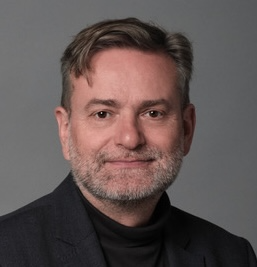
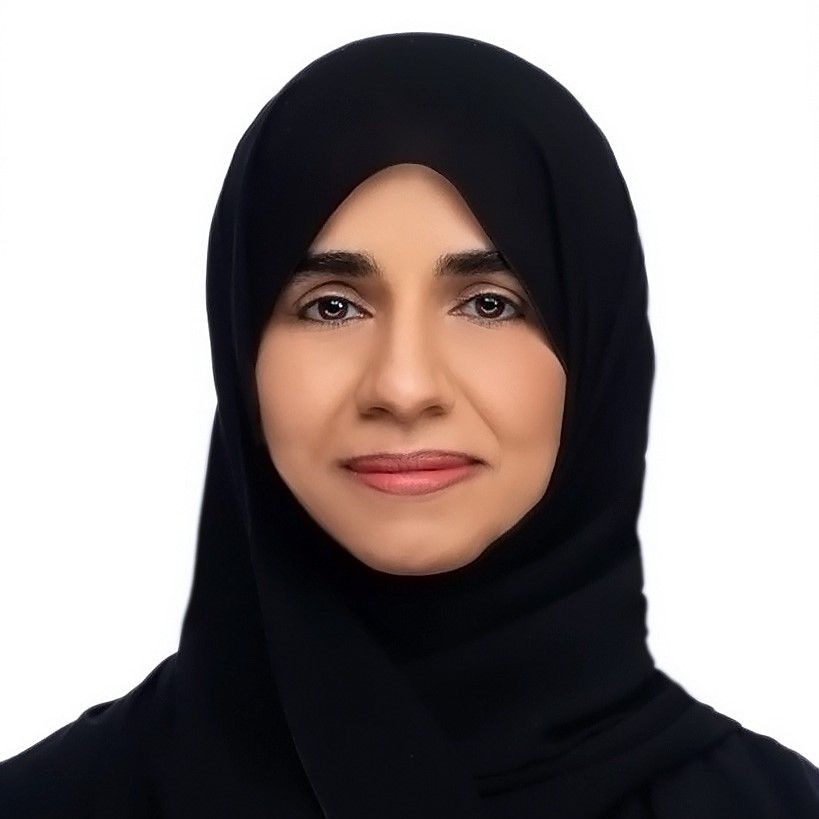
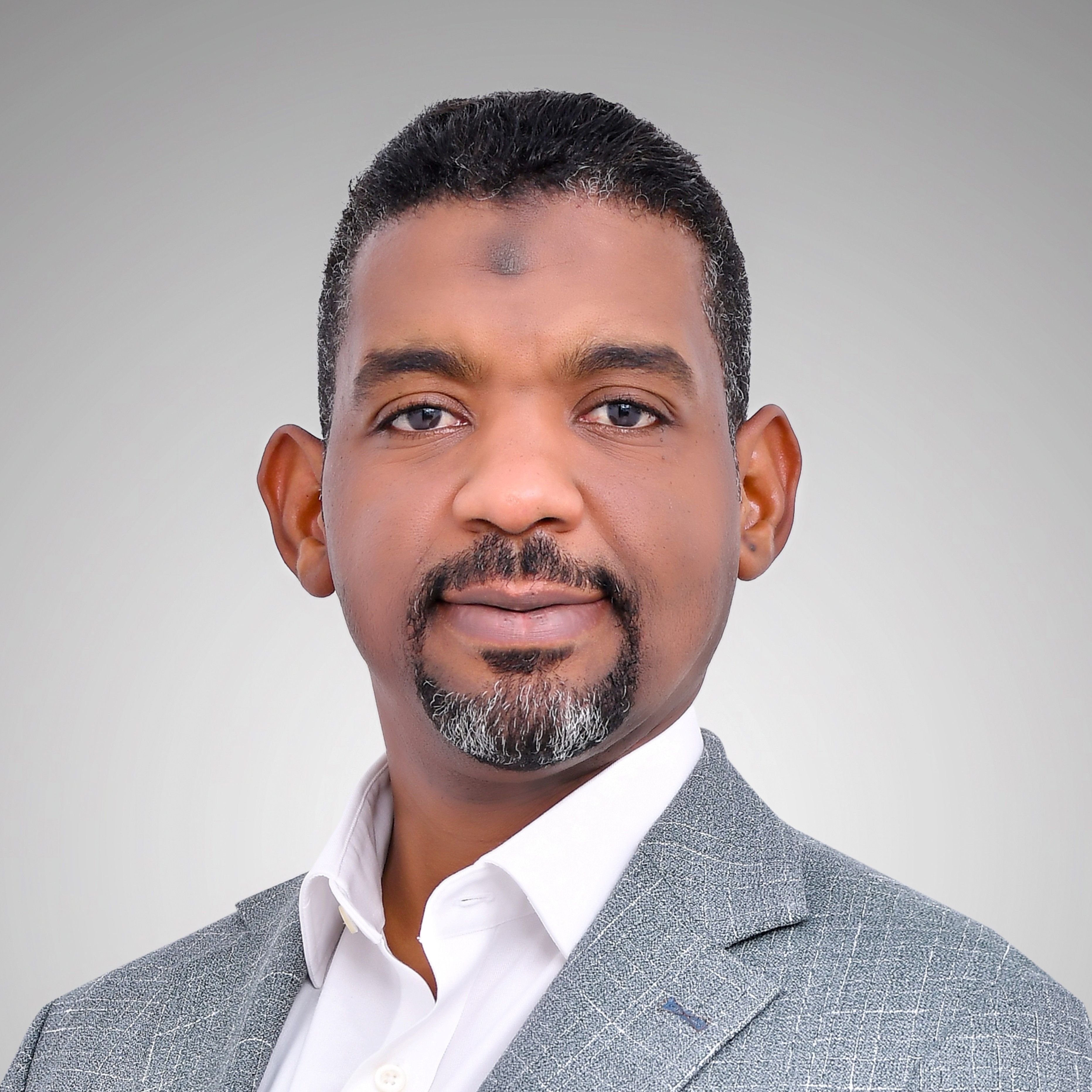
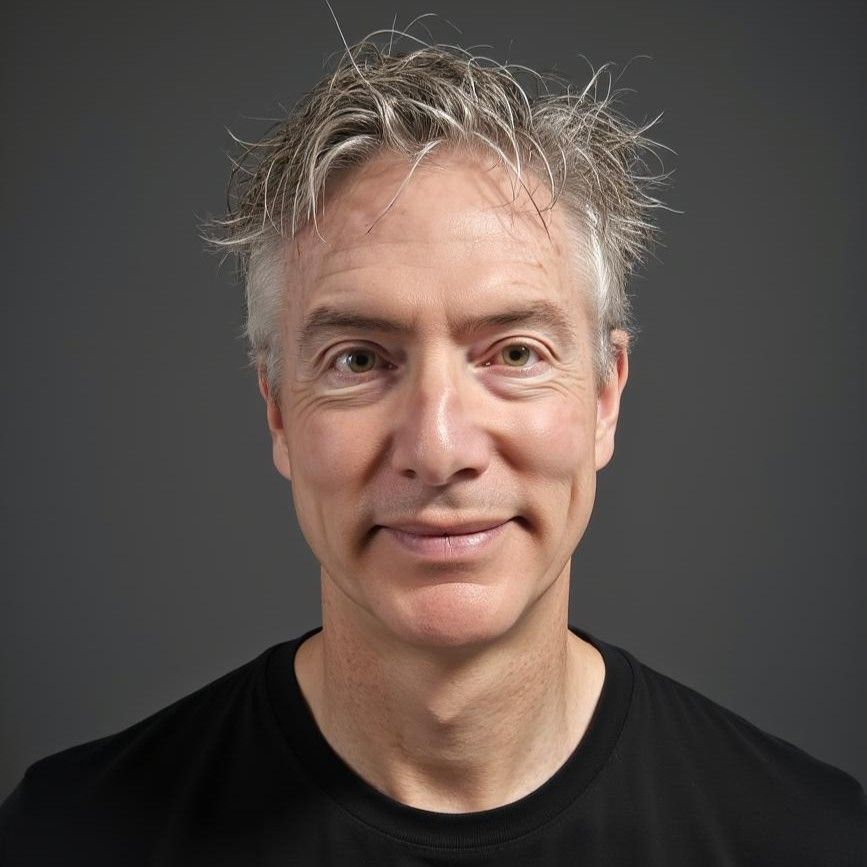
The Leadership Multiplier—How Leaders Create Healthy, Resilient, and High‑Performing Organisation
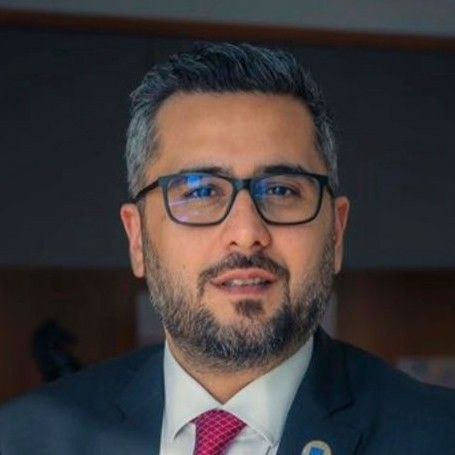
As organisations operate in increasingly demanding, high‑consequence environments, the limits of traditional approaches to occupational health are becoming more visible. Health risks today are rarely sudden or isolated, they are more often gradual, cumulative, and embedded in the way work is designed, prioritised and executed. Mental strain, fatigue and cognitive overload develop over time, quietly eroding attention, judgement, and the ability to sustain performance under pressure. Organisational choices around workload, pace of change, resource allocation, role clarity, and support systems shape how people experience pressure, manage complexity, and recover from stress. These conditions directly influence not only wellbeing, but also error rates, disengagement, and long‑term operational reliability. This plenary will examine how leaders act as multipliers of health, moving beyond compliance‑based health management towards a proactive and preventive approach. It will explore how leadership behaviors and organisational design can reduce psychosocial risk, protect cognitive capacity,and integrate occupational health, mental wellbeing, and human performance into core business decisions. Ultimately, the session will highlight a fundamental reality: sustainable safety, resilience, and performance depend on the health of the people who deliver them.
Panelists

-
Exhibition Floor30 mins
-
ePoster Station 130 mins
- Poster
Knowledge Sharing Technical Conference ePosters allow one-on-one interactions with presenters and opportunities to study a particular concept at an appropriate level of detail. Subject matter varies, ... -
ePoster Station 230 mins
- Poster
Knowledge Sharing Technical Conference ePosters allow one-on-one interactions with presenters and opportunities to study a particular concept at an appropriate level of detail. Subject matter varies, ... -
ePoster Station 330 mins
- Poster
Knowledge Sharing Technical Conference ePosters allow one-on-one interactions with presenters and opportunities to study a particular concept at an appropriate level of detail. Subject matter varies, ... -
ePoster Station 430 mins
- Poster
Knowledge Sharing Technical Conference ePosters allow one-on-one interactions with presenters and opportunities to study a particular concept at an appropriate level of detail. Subject matter varies, ... -
ePoster Station 530 mins
- Poster
Knowledge Sharing Technical Conference ePosters allow one-on-one interactions with presenters and opportunities to study a particular concept at an appropriate level of detail. Subject matter varies, ... -
ePoster Station 630 mins
- Poster
Knowledge Sharing Technical Conference ePosters allow one-on-one interactions with presenters and opportunities to study a particular concept at an appropriate level of detail. Subject matter varies, ...
-
Murban Auditorium - Ground Floor60 mins
- Special Sessions
Mental health challenges, including stress, anxiety, burnout, and isolation are increasingly influencing safety outcomes, decision-making quality, and workforce retention. In high-risk, remote, and shift-based operations, psychological strain can amplify operational vulnerabilities. This session moves beyond awareness campaigns toward measurable accountability: embedding psychological safety in leadership behaviors, reducing stigma, strengthening early intervention systems, and integrating mental health indicators into HSE dashboards. The objective is to position mental wellbeing as a core pillar of operational excellence and enterprise resilience.
-
Al Ghaf 1 (First Level)60 mins
- Special Sessions
Meaningful engagement ensures just outcomes for all stakeholders and builds an increased sense of trust between stakeholders and companies, which helps to cement the basis for longer-term relationships. It also enables companies to meet regulatory guidelines and international standards. In addition, as the global energy transition proceeds, many companies will make changes to their portfolios to support new low-carbon or renewable energy facilities or look to downsize or close existing oil and gas facilities. In these situations, meaningful engagement will be vital to ensuring that the company is actively contributing to a just energy transition. Meaningful engagement can be considered from two interlinking perspectives: engaging with communities and engaging with workers.
This panel discussion session will explore meaningful engagement in a just transition with a particular focus on Gulf countries, highlighting how companies can work collaboratively with both communities and workers to support fair and inclusive energy transitions. It will also be an opportunity for the UN to communicate its expectations to the industry and beyond in the same context
-
Murban Auditorium - Ground Floor60 mins
- Special Sessions
As operational complexity increases and energy systems evolve, leadership capability becomes the defining factor in sustainable safety performance. The Safety Leadership Academy model emphasises mindset transformation, psychological safety, risk intelligence, and cross-functional collaboration. This session will explore how structured leadership development programs strengthen decision-making under uncertainty, embed human performance principles, and cultivate accountability at all organisational levels. Participants will examine practical case studies, measurable outcomes, and how leadership academies can shape long-term cultural maturity across the industry. -
Al Ghaf 3&490 mins
- Technical Session
-
Al Ghaf 6&790 mins
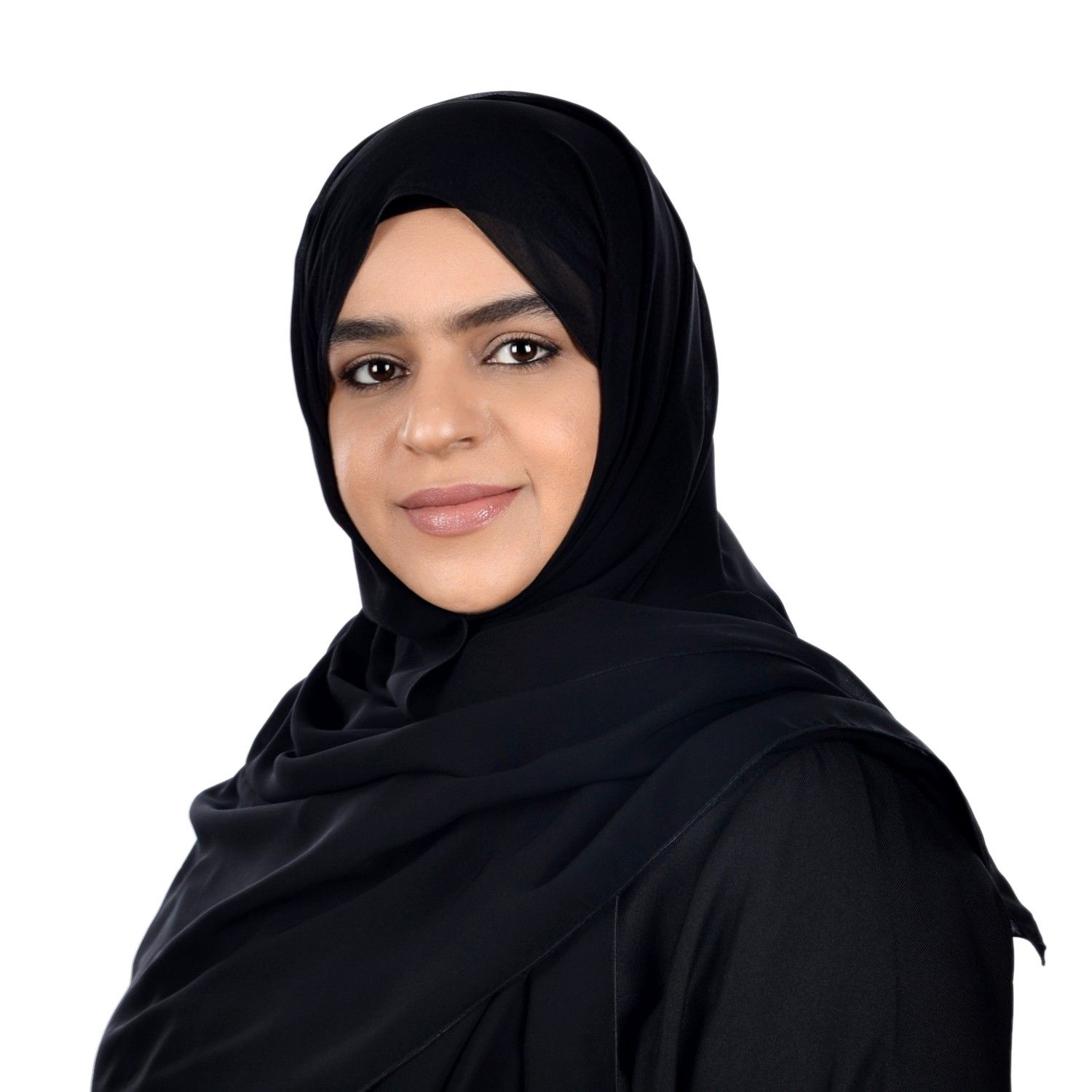
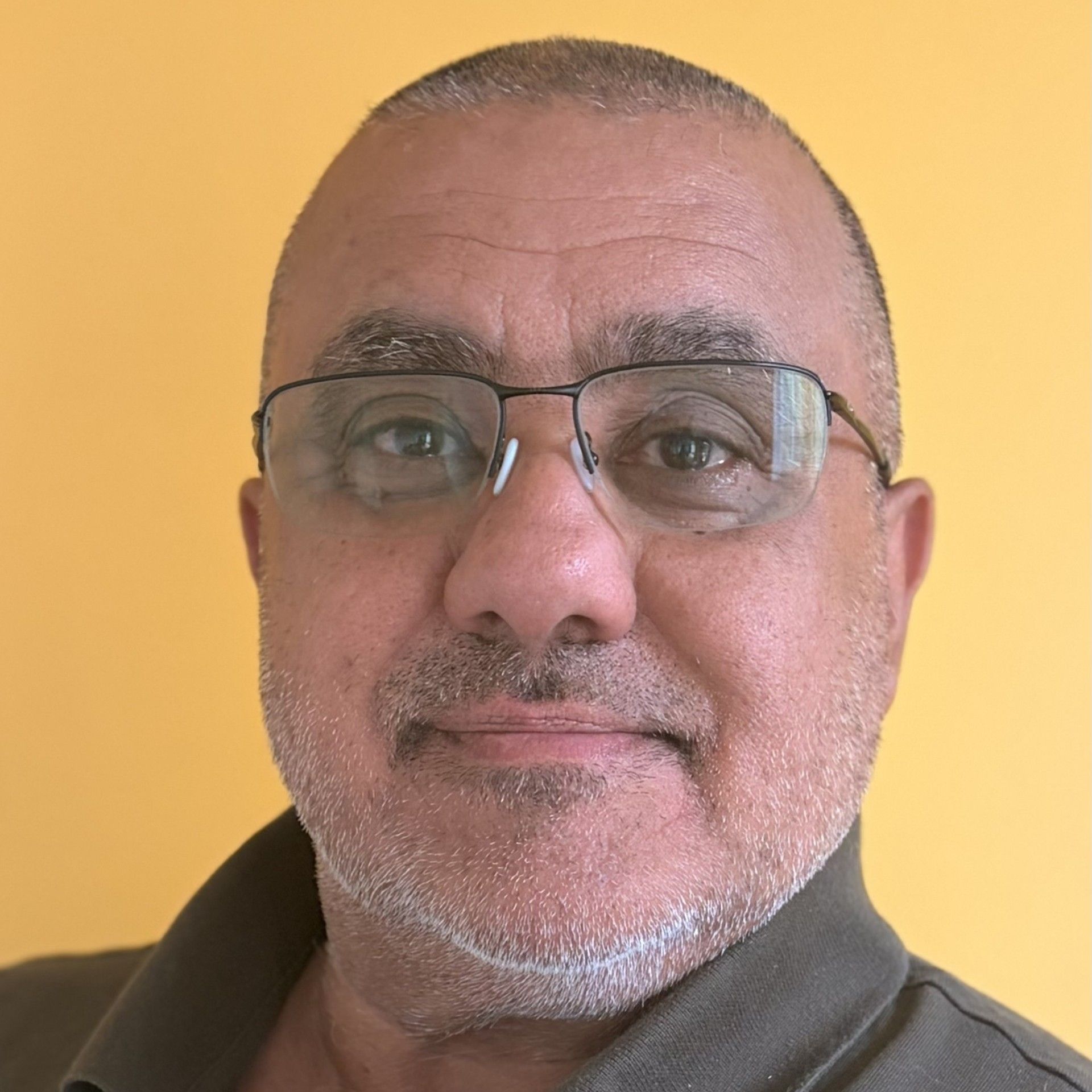
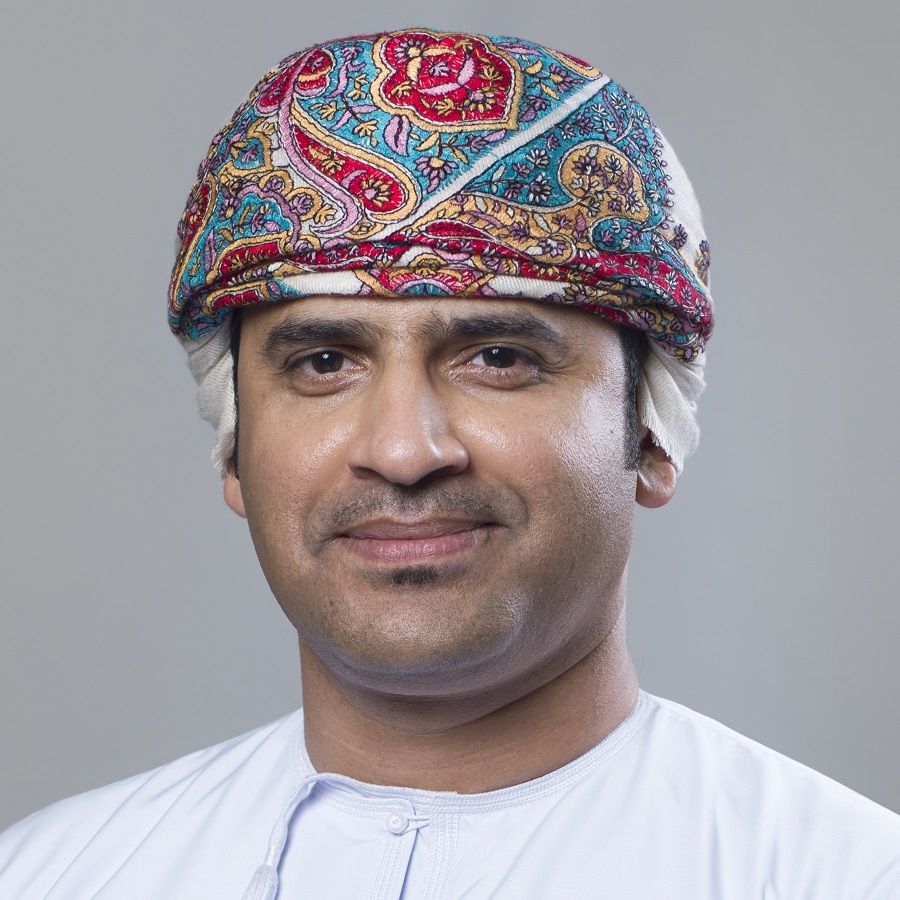
- Technical Session



-
Al Gurm Ballroom - Ground Floor60 mins
-
Murban Auditorium - Ground Floor60 mins
- Special Sessions
The HSE function is evolving from compliance assurance toward strategic foresight and enterprise risk leadership. Digital transformation, AI-enabled analytics, ESG integration, and stakeholder expectations are redefining the scope and influence of HSE professionals. This fireside conversation will explore what the “HSE Function of the Future” should look like including capability requirements, governance models, data integration, and board-level engagement. Leaders will discuss how to reposition HSE as a value-creating function that drives resilience, operational excellence, and sustainable growth.
-
Al Ghaf 1 (First Level)60 mins
- Special Sessions
Using emerging Vision AI and video analytics applications, this session will examine how rapidly expanding capabilities, from automated hazard detection and compliance monitoring to predictive insights and integrated risk modelling, can transform safety culture. Discussion will focus on where AI should enhance safety performance by augmenting human judgment, and where human presence and intervention remain non-negotiable. At the same time, critical questions will be addressed: What companies should focus on, using AI to replace the frontline workers or to help them improve operational integrity? How can organisations ensure that technology strengthens safety performance without undermining frontline ownership?
-
Al Ghaf 2 (First Level)60 mins
- Special Sessions
Non-accidental deaths (NADs) remain one of the energy industry's least visible fatality challenges. Cardiac events, undiagnosed medical conditions, chronic diseases, mental health issues, fatigue, and broader worker welfare factors may interact long before a fatal event occurs. This session will move the discussion beyond individual medical fitness and explore a broader question of leadership accountability: should potentially preventable NADs be governed, monitored, and measured with the same rigour applied to accidental fatalities?
The panel will examine emerging NAD trends, predictive health screening, worker health and welfare, leading indicators, and the case for an industry-wide KPI or an integrated Worker Health and Welfare Index. The objective is to shift the focus from counting deaths after they occur to identifying vulnerabilities before they become fatal; and to define what leaders should measure, govern, and ultimately be accountable for.
-
Al Ghaf 3&490 mins
- Technical Session
-
Al Ghaf 6&790 mins
- Technical Session






-
ePoster Station 130 mins
- Poster
Knowledge Sharing Technical Conference ePosters allow one-on-one interactions with presenters and opportunities to study a particular concept at an appropriate level of detail. Subject matter varies, ... -
ePoster Station 230 mins
- Poster
Knowledge Sharing Technical Conference ePosters allow one-on-one interactions with presenters and opportunities to study a particular concept at an appropriate level of detail. Subject matter varies, ... -
ePoster Station 330 mins
- Poster
Knowledge Sharing Technical Conference ePosters allow one-on-one interactions with presenters and opportunities to study a particular concept at an appropriate level of detail. Subject matter varies, ... -
ePoster Station 430 mins
- Poster
Knowledge Sharing Technical Conference ePosters allow one-on-one interactions with presenters and opportunities to study a particular concept at an appropriate level of detail. Subject matter varies, ... -
ePoster Station 530 mins
- Poster
Knowledge Sharing Technical Conference ePosters allow one-on-one interactions with presenters and opportunities to study a particular concept at an appropriate level of detail. Subject matter varies, ... -
ePoster Station 630 mins
- Poster
Knowledge Sharing Technical Conference ePosters allow one-on-one interactions with presenters and opportunities to study a particular concept at an appropriate level of detail. Subject matter varies, ...
-
Exhibition Floor30 mins
-
Al Ghaf 2 (First Level)60 mins
- Special Sessions
For decades, the energy sector has reduced fatalities through life-saving rules, barrier management, and strong safety governance. As decarbonisation accelerates, similar discipline is required to manage emerging risks associated with hydrogen, CCS, electrification, and methane reduction programs. This session explores how proven safety frameworks can be adapted to climate risk establishing “climate-critical controls,” accountability models, and verification mechanisms. The discussion will bridge sustainability ambition with operational rigor, ensuring that decarbonisation initiatives are delivered with the same systematic excellence applied to personal and process safety.
-
Al Ghaf 190 mins
- Technical Session
-
Al Ghaf 290 mins
- Technical Session
The oil and gas industry operates within high-risk, capital-intensive, and geographically dispersed environments where workforce health and wellbeing are central to safety, productivity, and business ... -
Al Ghaf 3&490 mins
- Technical Session
The oil and gas industry operates within high-risk, capital-intensive, and geographically dispersed environments where workforce health and well-being are central to safety, productivity, and business ... -
Al Ghaf 6&790 mins
- Technical Session
-
Speaker Check In Room - Ground Floor420 mins
-
Registration Desk - Ground Floor420 mins
-
Murban Auditorium - Ground Floor60 mins
- Keynote Speaker
-
Exhibition Floor480 mins

-
Murban Auditorium - Ground Floor60 mins
- Executive Plenary Sessions
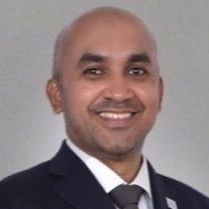
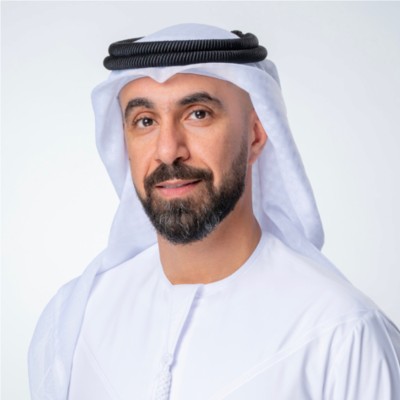
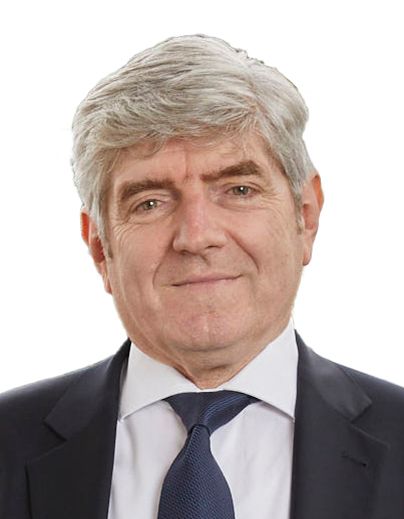
Strategies for High‑Demand Energy Systems: AI Workloads, Renewable Integration, and Environmental Risk
The rapid acceleration of AI‑driven energy demand, data‑center expansion, and large‑scale electrification is fundamentally reshaping the environmental risk profile of the energy system. Environmental impacts are no longer confined to emissions and regulatory compliance but increasingly emerge from system‑level stressors: grid congestion, land‑use pressure, resource intensity, biodiversity impacts, and cumulative effects across the energy value chain. As energy systems scale at unprecedented speed, leaders are required to manage environmental risk in conditions of heightened uncertainty and interdependence. Decisions related to grid architecture, renewable deployment, storage integration, and infrastructure siting now directly influence environmental resilience, community acceptance, and long‑term license to operate. The challenge is not only to decarbonse, but to do so while avoiding the transfer or amplification of environmental risks across regions and ecosystems. This plenary will examine how industry leaders, sustainability executives, and policy influencers are navigating these trade‑offs, moving beyond compliance‑driven environmental management toward proactive, system‑based strategies. It will explore how environmental considerations can be embedded into strategic decision‑making to balance AI‑driven demand growth, renewable integration, and environmental protection recognising that environmental resilience has become a critical condition for sustaining energy systems at scale.
Moderators

-
Exhibition Floor30 mins
-
ePoster Station 130 mins
- Poster
Knowledge Sharing Technical Conference ePosters allow one-on-one interactions with presenters and opportunities to study a particular concept at an appropriate level of detail. Subject matter varies, ... -
ePoster Station 230 mins
- Poster
Knowledge Sharing Technical Conference ePosters allow one-on-one interactions with presenters and opportunities to study a particular concept at an appropriate level of detail. Subject matter varies, ... -
ePoster Station 330 mins
- Poster
Knowledge Sharing Technical Conference ePosters allow one-on-one interactions with presenters and opportunities to study a particular concept at an appropriate level of detail. Subject matter varies, ... -
ePoster Station 430 mins
- Poster
Knowledge Sharing Technical Conference ePosters allow one-on-one interactions with presenters and opportunities to study a particular concept at an appropriate level of detail. Subject matter varies, ... -
ePoster Station 530 mins
- Poster
Knowledge Sharing Technical Conference ePosters allow one-on-one interactions with presenters and opportunities to study a particular concept at an appropriate level of detail. Subject matter varies, ... -
ePoster Station 630 mins
- Poster
Knowledge Sharing Technical Conference ePosters allow one-on-one interactions with presenters and opportunities to study a particular concept at an appropriate level of detail. Subject matter varies, ...
-
Murban Auditorium - Ground Floor60 mins
- Special Sessions
While personal injury metrics have improved globally, Major Accident Events (MAEs) continue to define existential risk in energy operations. Aging assets, complex interfaces, and contractor integration demand renewed focus on barrier health and asset integrity governance. This session explores how organisations are strengthening Safety Critical Element (SCE) management, predictive integrity analytics, and executive visibility of high-consequence risk. Emphasis will be placed on moving beyond TRIR toward measurable prevention of fatalities and catastrophic loss.
Panelists -
Al Ghaf 290 mins
- Technical Session
-
Al Ghaf 3&490 mins
- Technical Session
-
Al Ghaf 6&790 mins
- Technical Session


-
Al Gurm Ballroom - Ground Floor60 mins
-
Murban Auditorium - Ground Floor90 mins
- Special Sessions
Methane discussions often focus on detection technologies, satellites, aerial surveillance, continuous monitoring, and advanced analytics. However, climate and safety impact is determined not only by detection capability, but by the speed, governance, and operational discipline that follow. This session proposes an interactive “Methane Incident Command” simulation that explores the critical middle ground: alert validation, triage, work prioritisation, contractor mobilisation, safety constraints, and verification of abatement under operational uncertainty. The objective is to move from measurement to measurable reduction, strengthening organisational response capability and leadership accountability in methane management.
Moderators -
Al Ghaf 190 mins
- Technical Session
-
Al Ghaf 290 mins
- Technical Session
-
Al Ghaf 3&490 mins
- Technical Session
-
Al Ghaf 6&790 mins
- Technical Session


-
Exhibition Floor30 mins
-
ePoster Station 145 mins
- Poster
Knowledge Sharing Technical Conference ePosters allow one-on-one interactions with presenters and opportunities to study a particular concept at an appropriate level of detail. Subject matter varies, ... -
ePoster Station 245 mins
- Poster
Knowledge Sharing Technical Conference ePosters allow one-on-one interactions with presenters and opportunities to study a particular concept at an appropriate level of detail. Subject matter varies, ... -
ePoster Station 345 mins
- Poster
Knowledge Sharing Technical Conference ePosters allow one-on-one interactions with presenters and opportunities to study a particular concept at an appropriate level of detail. Subject matter varies, ... -
ePoster Station 445 mins
- Poster
Knowledge Sharing Technical Conference ePosters allow one-on-one interactions with presenters and opportunities to study a particular concept at an appropriate level of detail. Subject matter varies, ... -
ePoster Station 530 mins
- Poster
Knowledge Sharing Technical Conference ePosters allow one-on-one interactions with presenters and opportunities to study a particular concept at an appropriate level of detail. Subject matter varies, ... -
ePoster Station 630 mins
- Poster
Knowledge Sharing Technical Conference ePosters allow one-on-one interactions with presenters and opportunities to study a particular concept at an appropriate level of detail. Subject matter varies, ...
-
Al Ghaf 190 mins
- Technical Session
-
Al Ghaf 290 mins
- Technical Session
-
Al Ghaf 3&490 mins
- Technical Session
-
Al Ghaf 6&790 mins
- Technical Session
-
Murban Auditorium - Ground Floor30 mins