Technical Programme
-
Pavillion 1, Level 750 mins
-
10 mins
-
Pavillion 1, Level 760 mins
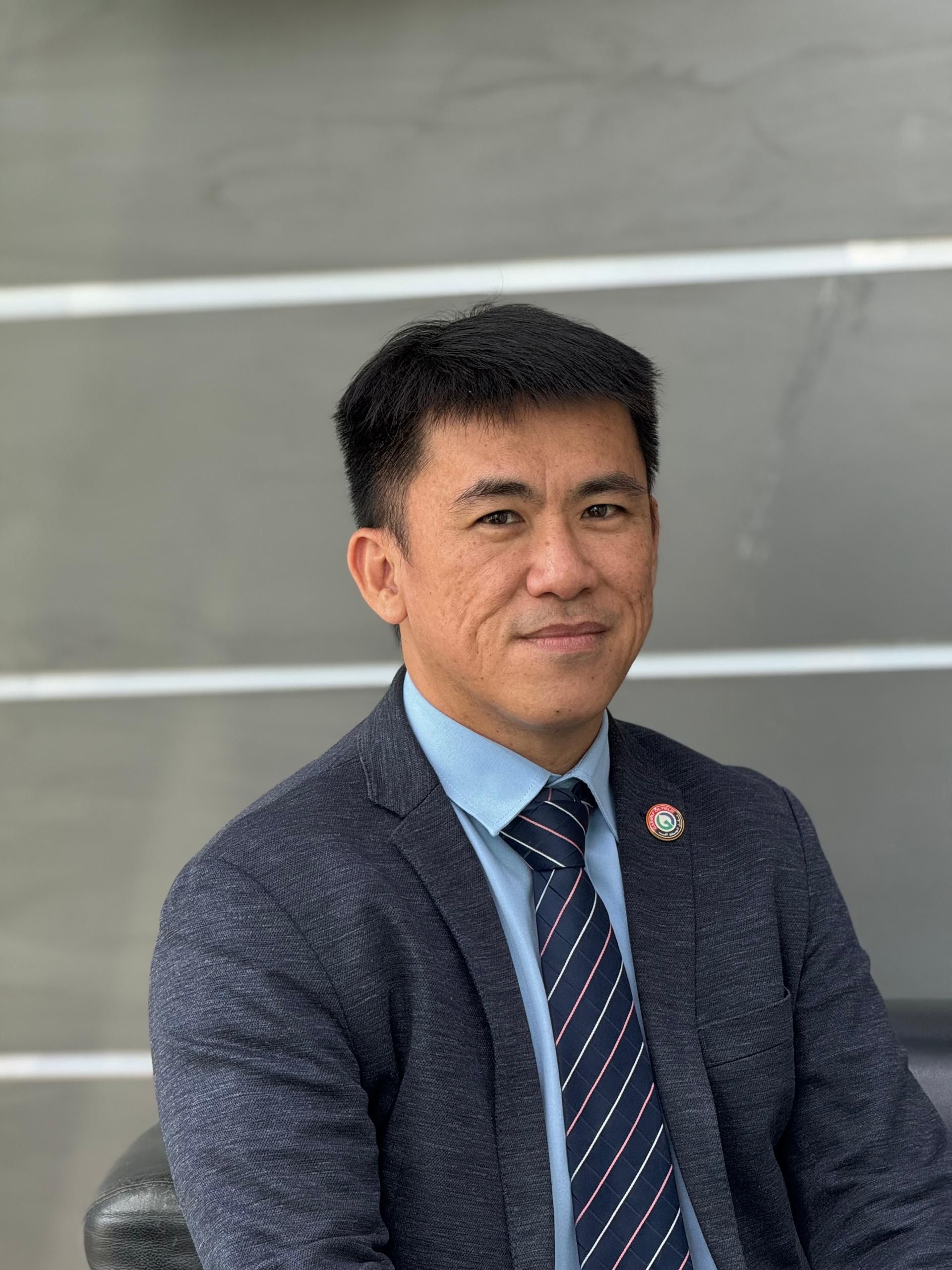
- Welcome Remarks and Keynote Address
-
30 mins
-
Pavillion 1, Level 790 mins
- Panel Session
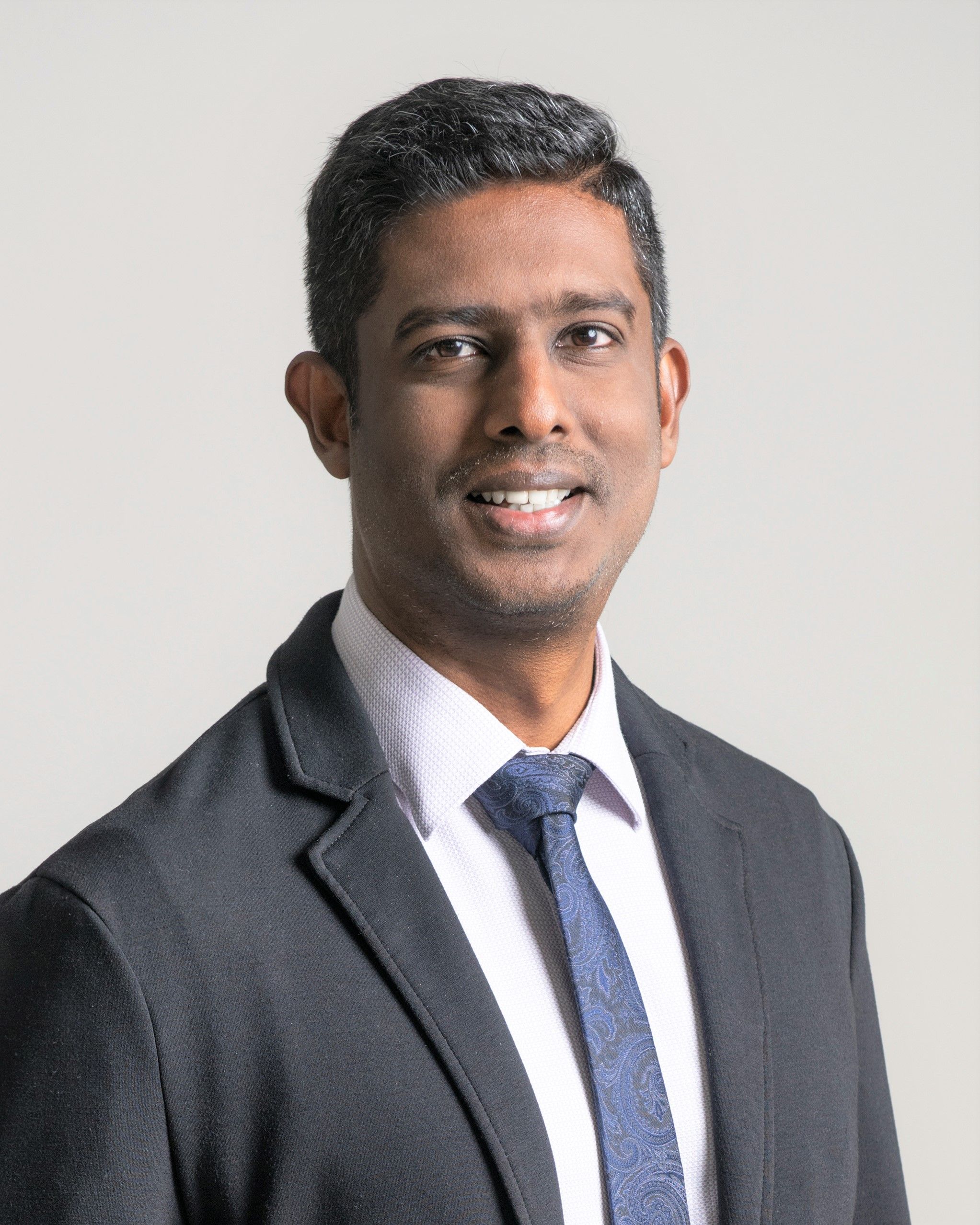
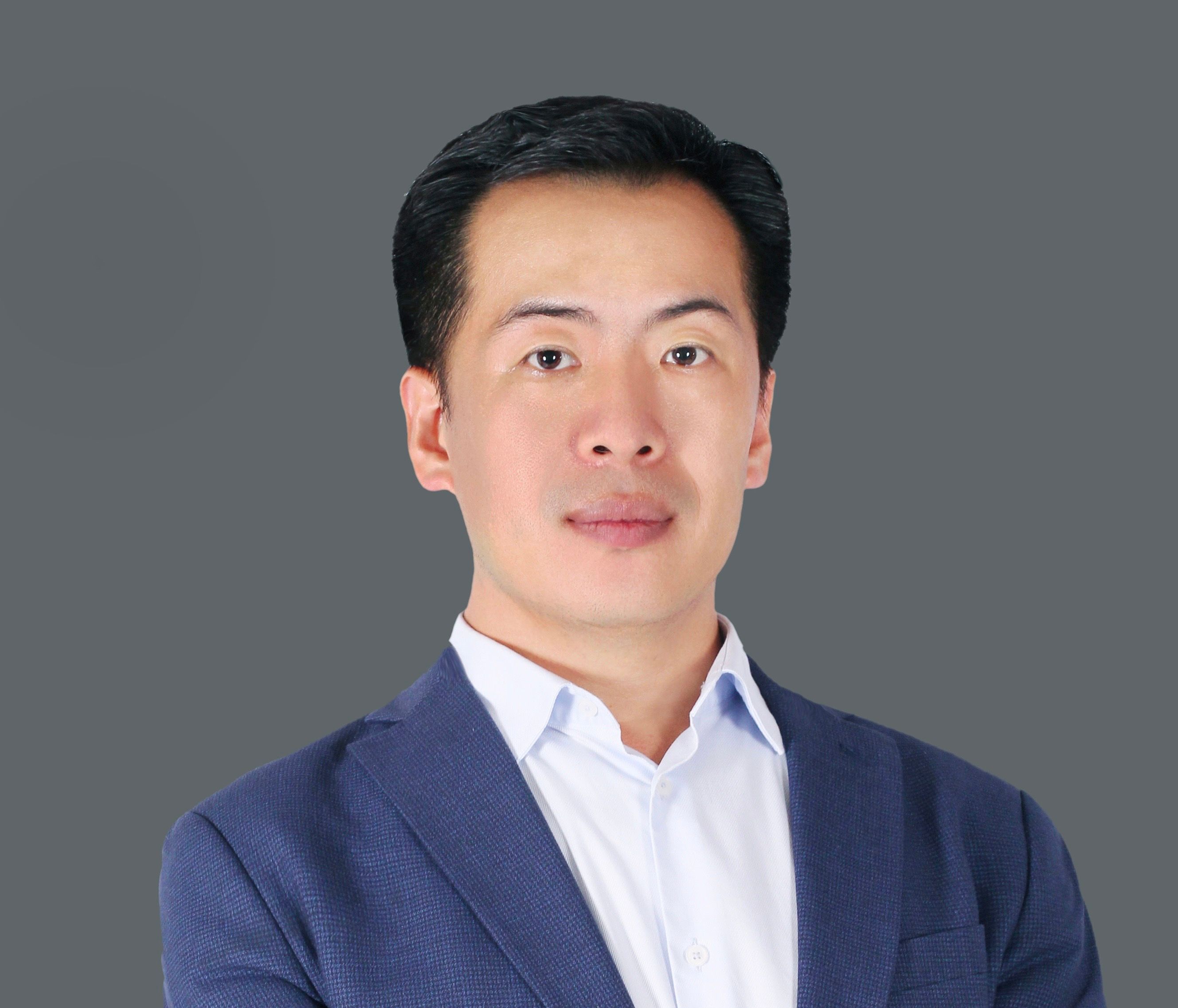
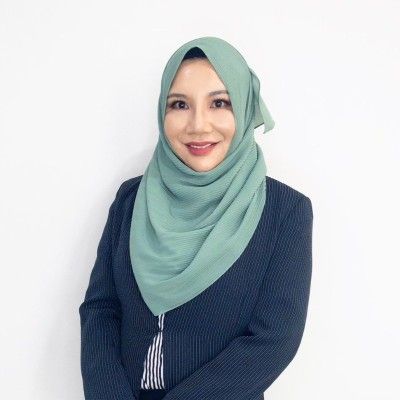
This panel brings together operators, subsea specialists, floating facility experts, digital leaders and EPCI contractors to explore how a unified, system-level approach can improve performance, relia ...
-
The Courtyard, Level 860 mins
-
Pavillion 1, Level 790 mins
- Technical Session
Session Managers: Tan Zhiyuan, OneSubsea, Sarawak Shell Berhad; Nick Neel, Subsea7
As offshore developments move into deeper waters and more complex environments, subsea architecture and equipment are becoming increasingly critical to ensure safe, reliable and cost-efficient production. This session will highlight recent advances in subsea system concepts and technologies that support improved field performance and seamless integration with floating production facilities such as FPSOs, semi-submersibles and spar platforms. Discussions will focus on forward-looking subsea architectures that enhance scalability, adaptability and tieback efficiency, alongside the growing adoption of standardisation and modular design concepts in subsea equipment. These approaches are helping operators improve reliability, simplify installation and accelerate project execution by reducing engineering complexity and shortening overall project lifecycle turnaround time.
The session will also examine flow assurance and subsea control solutions designed to maintain operational stability under challenging reservoir and environmental conditions. Real-world case studies will provide practical insights into design considerations, key lessons learned and strategies for reducing risk in subsea-to-floating developments, while demonstrating how evolving subsea architectures and equipment technologies are enabling more efficient and resilient offshore field developments.
Discussion Leaders:
- When Repair Is Not Feasible: Engineering Trade-Offs in Locking Open a Subsea Production Master Valve in a Mature Offshore Field by Jaeyeol Jung, Subsea Technical Authority, POSCO INTERNATIONAL Corporation
- Deepwater Field Architecture Optimization by Ong Yih Miin, Principal Flow Assurance Engineer, McDermott
- X80‑Enabled Steel Risers from Ultra‑Deep to Moderate Water Depths by Radzlan Ahmad Suhaimi, Senior Field Development Engineer, Subsea7
-
One Framework. One Standard. OneSubsea Done Smarter by Zhiyuan Tan, Asia Structures & Connectors Engineering Manager, OneSubsea
-
20 mins
-
Pavillion 1, Level 760 mins
- Technical Session
Session Managers: Mohamed Hegazi, OneSubsea; Muhammad Afiq Mhd Khazar, Sarawak Shell Berhad
This session explores how digital transformation is reshaping subsea operations and accelerating the journey toward operational excellence. As offshore developments become increasingly complex and cost-sensitive, operators and service providers are turning to advanced digital technologies to enhance reliability, efficiency and safety across the subsea lifecycle. The discussion focuses on the practical application of digital tools—such as real-time data analytics, digital twins, autonomous systems, AI-enabled monitoring and integrated control platforms—and how these innovations are transforming traditional subsea workflows. Presenters will highlight case studies demonstrating improved asset integrity management, optimised installation and intervention activities, enhanced decision making and reduced operational risk.
Key topics include:
- New Subsea Technology Transformation replacing conventional methods for subsea underwater inspection, maintenance, and projects—including AUVs, USVs, Resident ROVs, and Platform-Launched ROVs
- Subsea Inspection Data Management—in the form of real-time data management via asset modeling software
- Subsea Hardware real-time surveillance monitoring systems
- Subsea Intervention—new approaches
Bringing together experts from across the subsea domain, the session aims to showcase the tangible value of digitalization, identify remaining challenges to adoption and outline the strategic steps required to realise the full potential of digitally enabled subsea operations. Attendees will gain insights into how digital transformation continues to drive excellence, resilience and performance in the evolving offshore energy landscape.
Discussion Leaders:
- From Subsea to Floating: Lifecycle Optimization of Aging Pipelines in Brownfield Developments by Tengku Shahru, Pipeline Specialist, Pipewave
- Subsea Live – Subsea Asset Performance Management by Tomi Tulin Entaban, Processing Services Manager Asia, One Subsea
-
Pavillion 1, Level 760 mins
- Technical Session
Session Managers: Tan Zhiyuan, OneSubsea; Wan Afiq Farhan Che Hamat, PETRONAS
Integrated Field Design & Development is rapidly becoming a key strategy for operators seeking optimised field planning, lower project costs, and faster execution. This session highlights how integrated system design, linking wells, subsea hardware, pipelines, and topsides which drives cohesive field architectures and accelerates delivery. Drawing on global subsea project experience, the session will showcase tangible gains in engineering efficiency, schedule compression, expenditure reduction, and improved interface management. It will also address common integration challenges, assess where integrated development is most suitable, and outline practical mitigation approaches to strengthen project outcomes.
Disccusion Leaders:
- Production ExPRESS - Rapid Response Solutions for Early Offshore Field Monetisation by Hajjoubi Hamid, Asia Business Development Manager, SLB
- Integrated Offshore Development Through Infrastructure Reuse: Breaking Silos to Accelerate Time to First Production by Erwin Indrawan, Project Manager, MedcoEnergi
-
120 mins
-
Pavillion 1, Level 7100 mins
- Technical Session
Session Managers: Erwin Indrawan, MedcoEnergi; Suhaimi Mahasan, PETRONAS
The evolving landscape of floating production and processing facilities highlights how next-generation concepts and technologies are reshaping offshore development strategies worldwide. As the industry moves into deeper waters, harsher environments, and smaller or more remote reservoirs, floating facilities are shifting from bespoke mega-assets to standardised, modular, digitally enabled and lower-carbon production hubs.
This session will cover the full spectrum of floating facility concepts and operations—from conventional FPSOs, FSRUs, and FLNGs to emerging modular, standardised, redeployable, and fit-for-purpose floaters. It will also explore new operating philosophies, integrated subsea-to-floating architectures, life-cycle strategies, digitalisation, and remote operations, reflecting the industry’s growing focus on system integration, performance optimisation, and cost efficiency. It will further examine design and technology advancements shaping modern floating facilities, including hull structure, station-keeping systems, topside integration, modularized process system, electrification, low-carbon technologies, and smart systems for monitoring, control, and predictive maintenance. These innovations are enabling safer, more resilient, and faster to market development while reducing carbon intensity and total life-cycle cost.
Looking ahead, the session will focus on future-ready floater concepts tailored for marginal fields and deepwater developments. Topics will include standardised hulls, modular topsides, phased development concepts, hybrid energy systems, carbon-ready designs, and flexible commercial models that enable fast-track deployment, re-deployment, and portfolio optimisation. These approaches directly address today’s key challenges—CAPEX affordability, schedule compression, emissions reduction, and energy-transition readiness.
Discussion Leaders:
- De-Risking Deepwater Developments through Redeployment Floater for Extended Well Test and Early Production Systems by Nik Roshidan Rahman, M Taufik Lehat and Tong Wen Jie, PETRONAS Carigali Sdn. Bhd.
- One Hull, Many Fields: A Next-Generation Modular FPSO Concept for Deepwater Applications by Muhammad Syafiq Ibrahim, Structural Engineer, Yinson
- Unlocking a Deepwater Gas Field Through Strategic Symbiosis: A Case Study of Collaborative Development in Malaysia's Block H by Maaruf Mohamad, Staff Engineer - Production Operations, PTTEP Sarawak Oil Limited
- From Concept to Commercialisation: Realising Solutions for Maximising Gas Value in Deepwater Development by Nur Farahin Abdul Khalik Daim, Executive (Front End Engineering), PETRONAS Carigali Sdn. Bhd.
-
30 mins
-
Pavillion 1, Level 7100 mins
- Technical Session
Session Managers: Jeremia Phillai Anthony Prosper, IPC Malaysia BV; Zuriana Abdul Rashid, Yinson Production
The safety, reliability, and availability of floating offshore facilities are highly dependent on the integrity of mooring systems, station keeping behaviour, hull structures, and the effective execution of marine operations based on design limitations. As floating assets are increasingly deployed in harsher environments and commercially requires us to operate beyond their original design life, challenges related to system interaction, accelerated degradation due to operating beyond the design limitation without realising the consequences, and operational assurance continue to grow.
This session will focus on the technical challenges associated with mooring, station keeping and hull integrity, including design versus in-service performance, environmental loading, degradation mechanisms, conventional and advanced inspection methods, monitoring strategies, and integrity management of mooring and hull systems. Discussions will also cover alternative technologies and methodologies for assurance, as well as design assumption versus actual operational limitation, highlighting gaps, operational impacts, and potential solutions. The interaction between station keeping behaviour and hull structural performance or response to operating mode, together with lessons learned from operational experience and integrity findings, will be of particular interest.
In addition, the session will address marine operations safety and reliability, covering risk management during marine activities, operational assurance, and interface management between marine, integrity, and operations teams. Case studies highlighting operational challenges, incident prevention, and best practices to maintain asset integrity and personal safety throughout the asset lifecycle will be discussed, with relevance to both new developments and ageing floating facilities.
Discussion Leaders:
- Semi FPS Mooring inside Fairlead Inspection Utilising Robotic Crawler Technology by Muhammad Afiq Mhd Khazar, Senior Subsea Engineer, Shell
- Deepwater Subsea and Floaters Capability Framework by Intan Shakira Ahmad Farok, Senior Manager (Operations Readiness), PETRONAS Carigali Sdn. Bhd.
-
Specialized Tooling and ROV-Based Procedures for Installation of VIV Fairings and Thrust Collars on Top-Tensioned Risers at Tension Leg Platform (TLP) by Muhzill Mohammed, Subsea Inspection Engineer, Sapura Subsea Services Sdn. Bhd.
-
The Courtyard, Level 880 mins
-
Session 6: Governing Floaters Operations: Compliance, Assurance and Lifecycle Integrity for FloatersPavillion 1, Level 790 mins
- Technical Session
Session Managers: Nabhan Zailani, Lloyd's Register; Mohd Hezzi Fazren, PETRONAS; Nor Syezlin Sharifuddin, PETRONAS
Floating production and storage assets operate at the intersection of regulatory requirements, classification rules, contractual obligations, and owner integrity programs. While statutory and CLASS surveys provide a baseline for compliance, industry experience shows that compliance alone does not always ensure sustained asset integrity across the floater lifecycle.
This session examines how governance frameworks, assurance mechanisms, and integrity management systems can provide regulators, floater owners, contractors, and Recognized Organizations with confidence that floaters remain fit for service. It focuses on clarifying stakeholder roles, aligning regulatory and classification expectations, managing integrity risks at critical interfaces, and strengthening lifecycle governance for aging assets through integrated assurance, inspection coverage and transparent reporting.
Discussion Leaders:
- OSRMS: Management of Asset Integrity and Safety for floater in Upstream Malaysia by Mohd Hezzi Fazren, Manager Regulatory Assurance, PETRONAS
- Digital Optimization of FPSO Operations Using an Integrated Edge-to-Enterprise Platform by Arjit Gidwani, Technical Solution Sales, SLB
- Beyond Compliance: Turning Structural Inspection Data into Risk-Based Hull Integrity Decisions by Nabhan Zailani, Senior Specialist, Lloyd's Register
-
20 mins
-
Pavillion 1, Level 730 mins