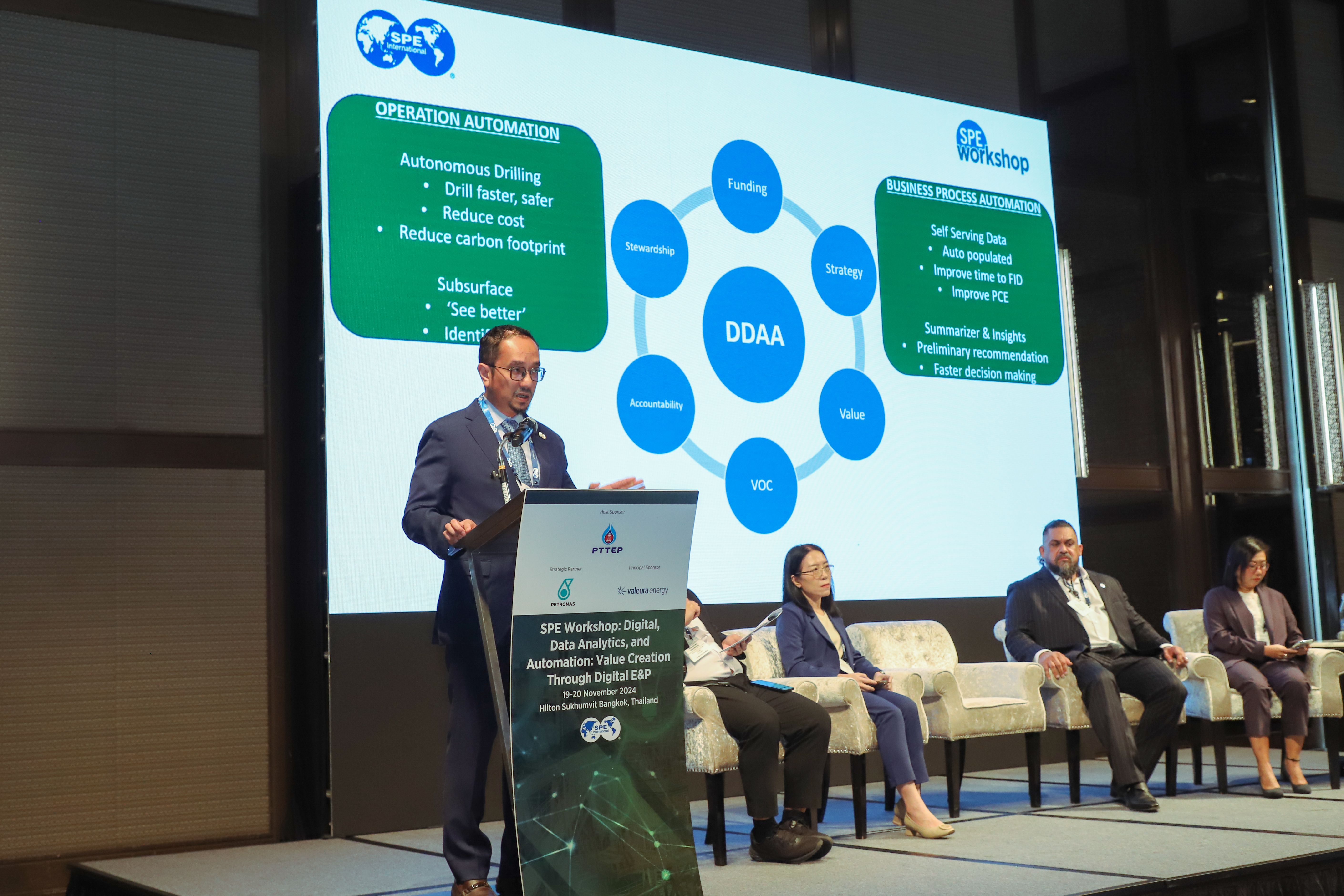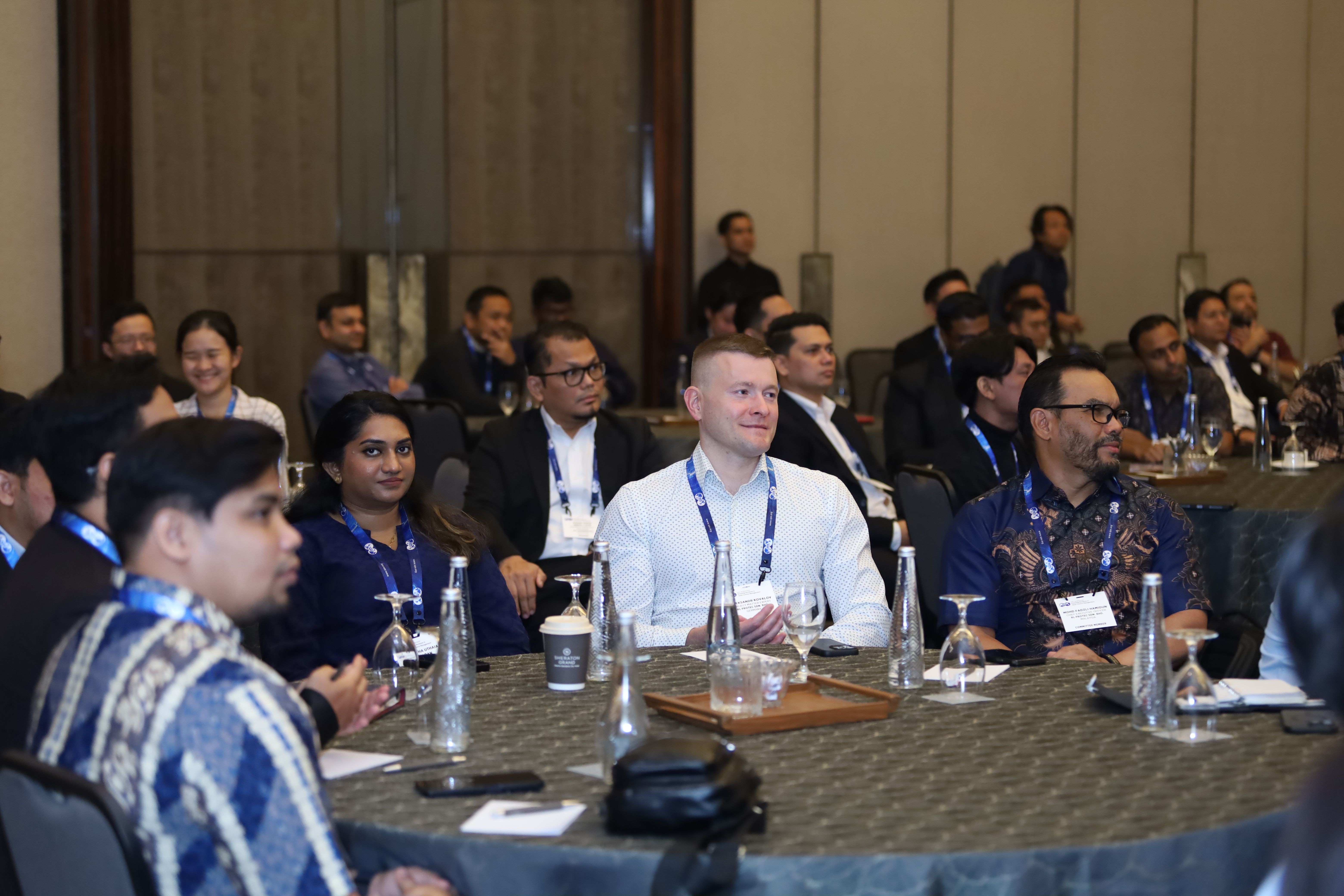

Upstream oil and gas operators across APAC are rapidly experiencing shift in how data and digital technologies are used to drive exploration, development, and production decisions.
While Digital, Data Analytics & Automation (DDAA) has become firmly established, organisations are now grappling with surging data volumes, increasingly complex subsurface challenges, and mounting expectations for faster, more reliable decision making. In this context, Artificial Intelligence (AI) emerge as a powerful force that integrates seamlessly with advanced analytics to amplifies and accelerates current capabilities. AI is also supplementing robotics and autonomous systems, enhancing inspection, drilling, intervention, and monitoring activities through improved perception, decision support, and adaptive control.
Concurrently, AI adoption across Asia Pacific remains uneven and fragmented, with operators at varying stages of digital maturity. Persistent challenges around data quality, integration, governance, talent readiness, and regulatory alignment continue to constrain broader deployment. To unlock AI’s full potential, the industry requires a more structured and collaborative approach that unites operators, service providers, and technology partners in building robust and trusted ecosystem capable of scaling AI solutions across the region.
The SPE Workshop: AI – The Next Evolution of DDAA will chart the progression of DDAA into AI, using Malaysia’s current AI landscape as a reference point while drawing from lessons and novel AI Applications across the wider Asia Pacific region. Participants will gain a clear understanding of how operators are adopting AI, sharing bold experiences from early implementation, aligning strategies across assets and organisations, and advancing from initial adoption toward scalable, value‑driven deployment.
A central focus of the workshop is building a robust AI ecosystem that unites regulators, operators, service providers and technology vendors. Emphasis will be placed on data as the cornerstone of successful AI implementation, covering readiness, governance, and integration across surface and subsurface, alongside the importance of domains understanding coupled with the advance digital features to ensure algorithms deliver accurate and reliable results. The sessions will further examine how AI is supplementing robotics, challenges of AI implementation, organisational preparedness, workforce upskilling, collaboration models, cybersecurity, and regulatory frameworks that shape AI adoption in upstream operations, ensuring solutions are compliant, trusted and scalable.