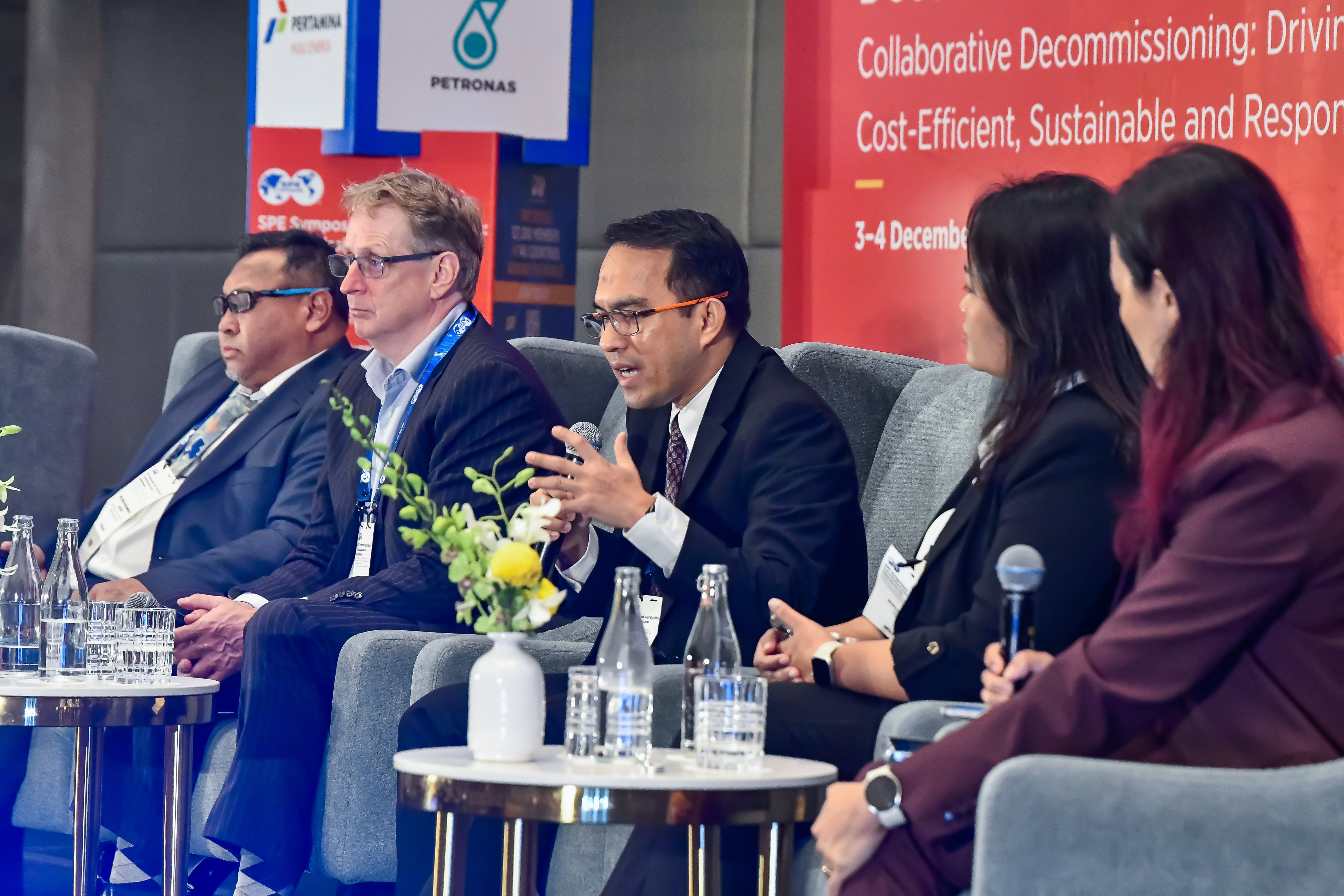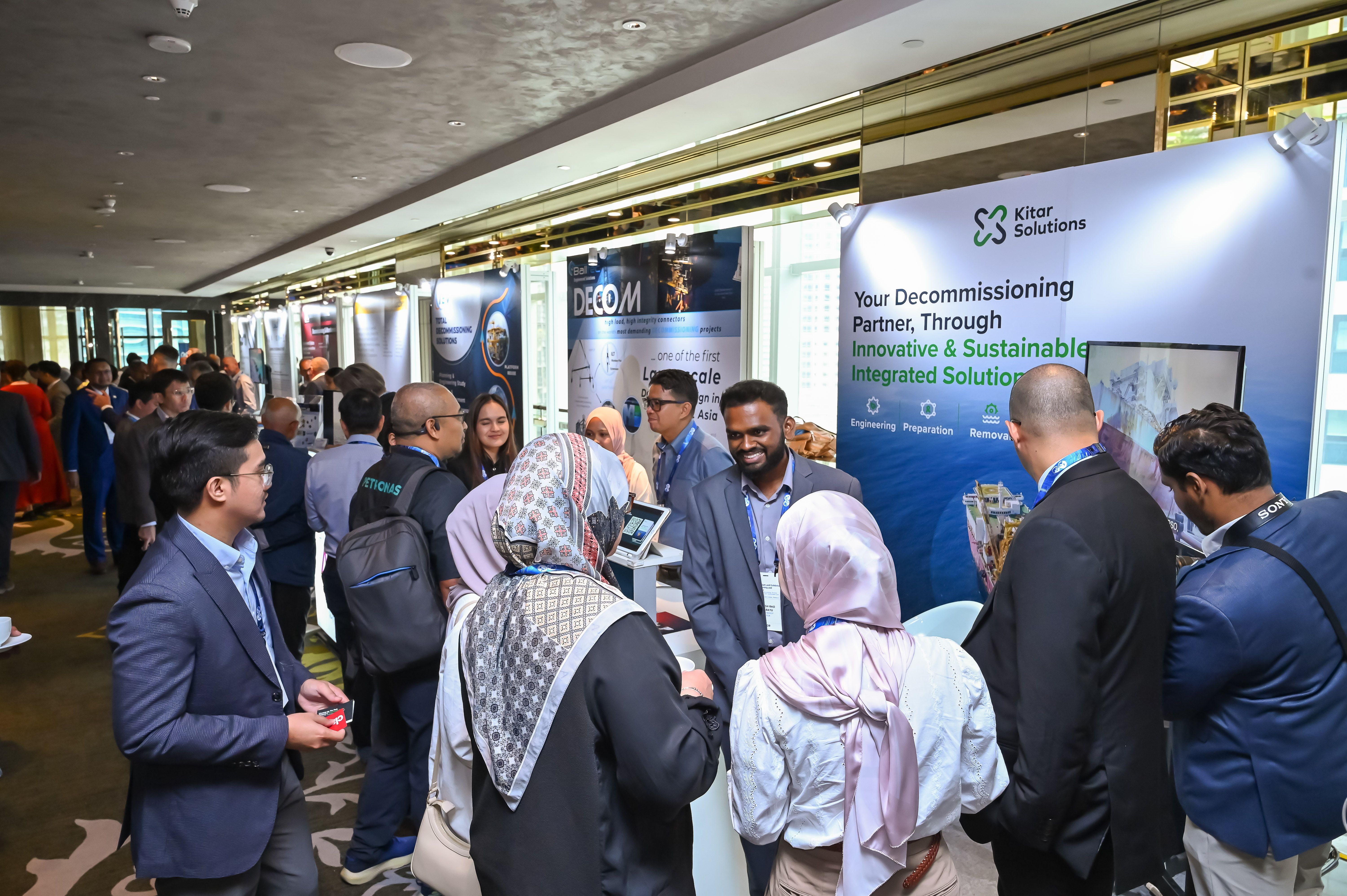
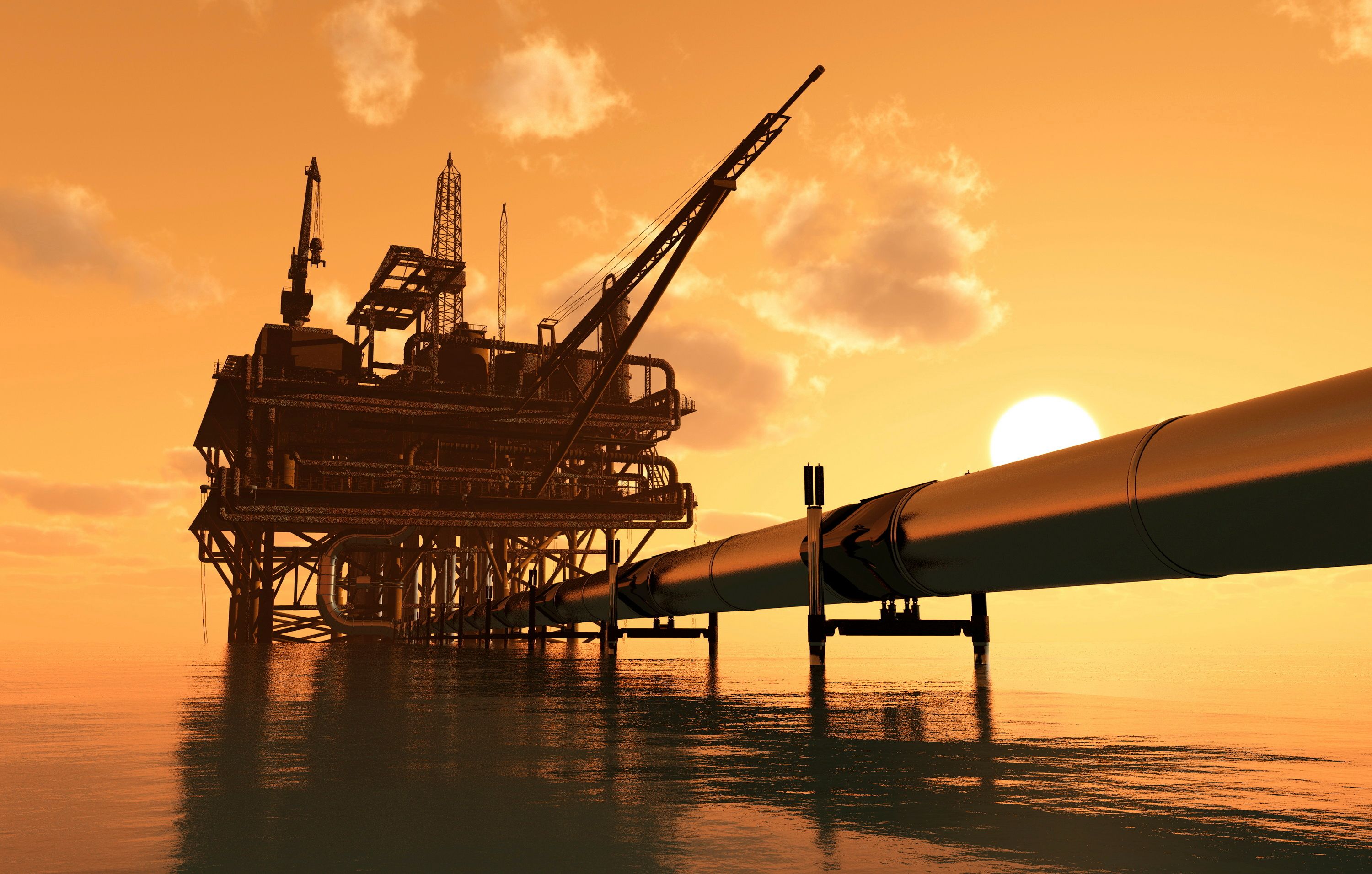
Across the Asia Pacific region, facilities decommissioning is becoming an increasingly strategic priority as offshore platforms, onshore processing plants, subsea systems, and associated infrastructure approach the end of their operational life. Governments and operators are accelerating plans to retire ageing assets responsibly while ensuring safety, environmental protection, and economic efficiency.
Today’s decommissioning programmes go far beyond simple asset removal. They increasingly integrate advanced technologies such as well plugging innovations, structural integrity modelling, remote inspection tools, and data-driven planning to optimise scope, minimise risk, and reduce environmental impact. As decommissioning activity expands across multiple jurisdictions, cross-border collaboration is becoming essential to share expertise, strengthen regional capabilities, and develop consistent industry practices.
However, decommissioning projects present complex technical, financial, and regulatory challenges. Legacy infrastructure, incomplete asset data, harsh operating environments, and evolving regulatory frameworks can significantly affect project certainty and cost forecasting. Addressing these challenges requires innovative contracting strategies, early contractor engagement, integrated project delivery models, and stronger industry-regulator collaboration to streamline approvals and ensure compliance.
Looking ahead, sustainable facilities decommissioning offers an opportunity to transform end-of-life asset management into a responsible and forward-looking industry practice. Through continued investment in technology, capability development, and regional collaboration, the Asia Pacific industry can establish new benchmarks for safe, efficient, and environmentally responsible asset retirement.