

Programme Schedule
-
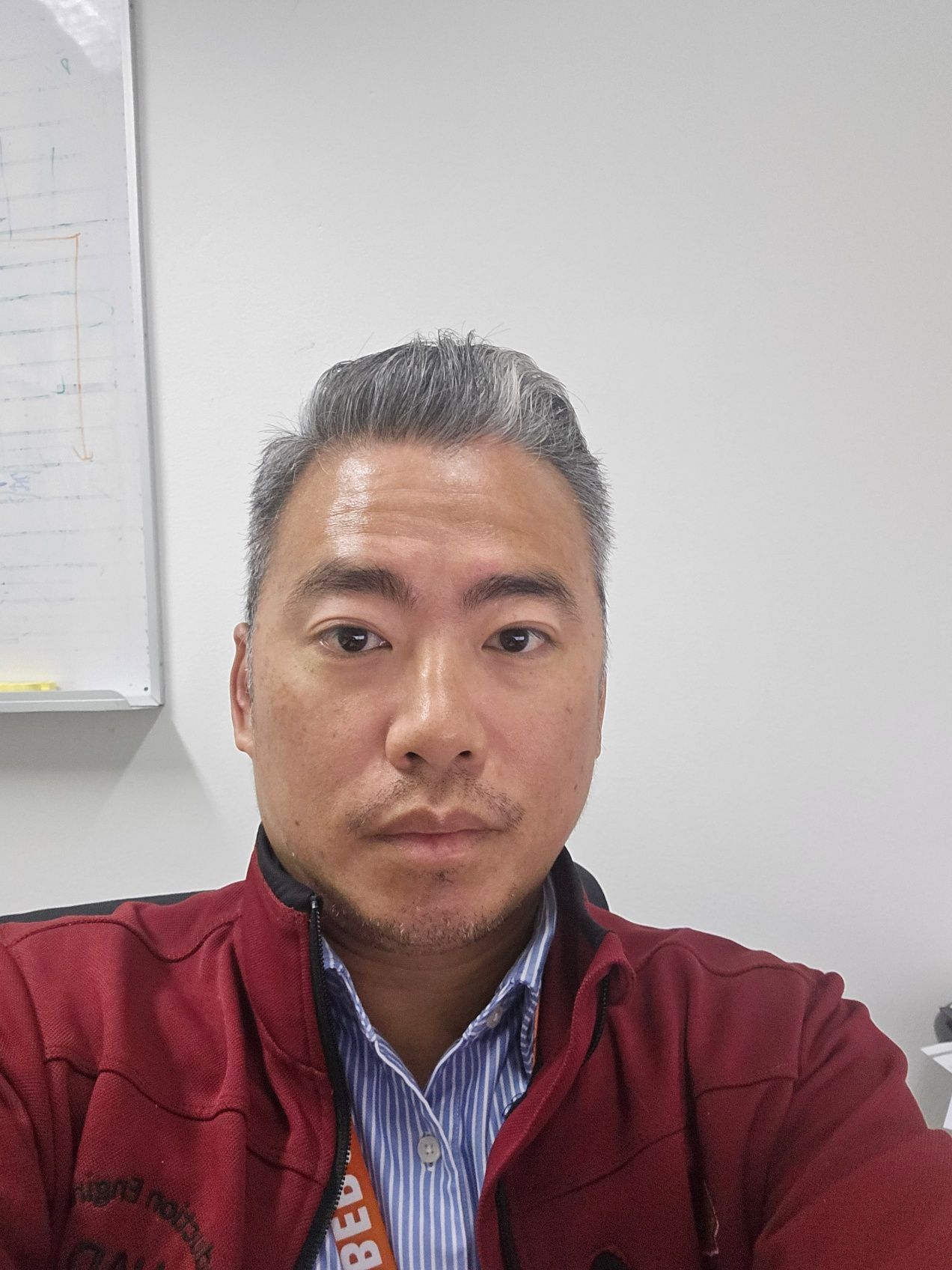
Merbau 160 minsChairperson



-
30 mins
-
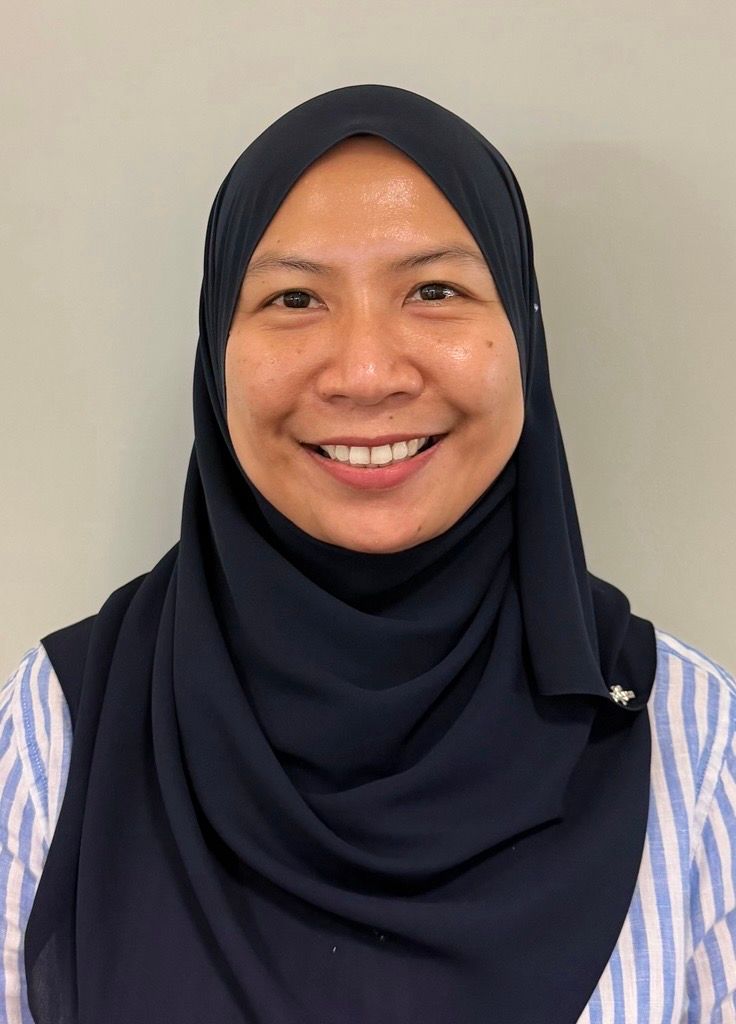
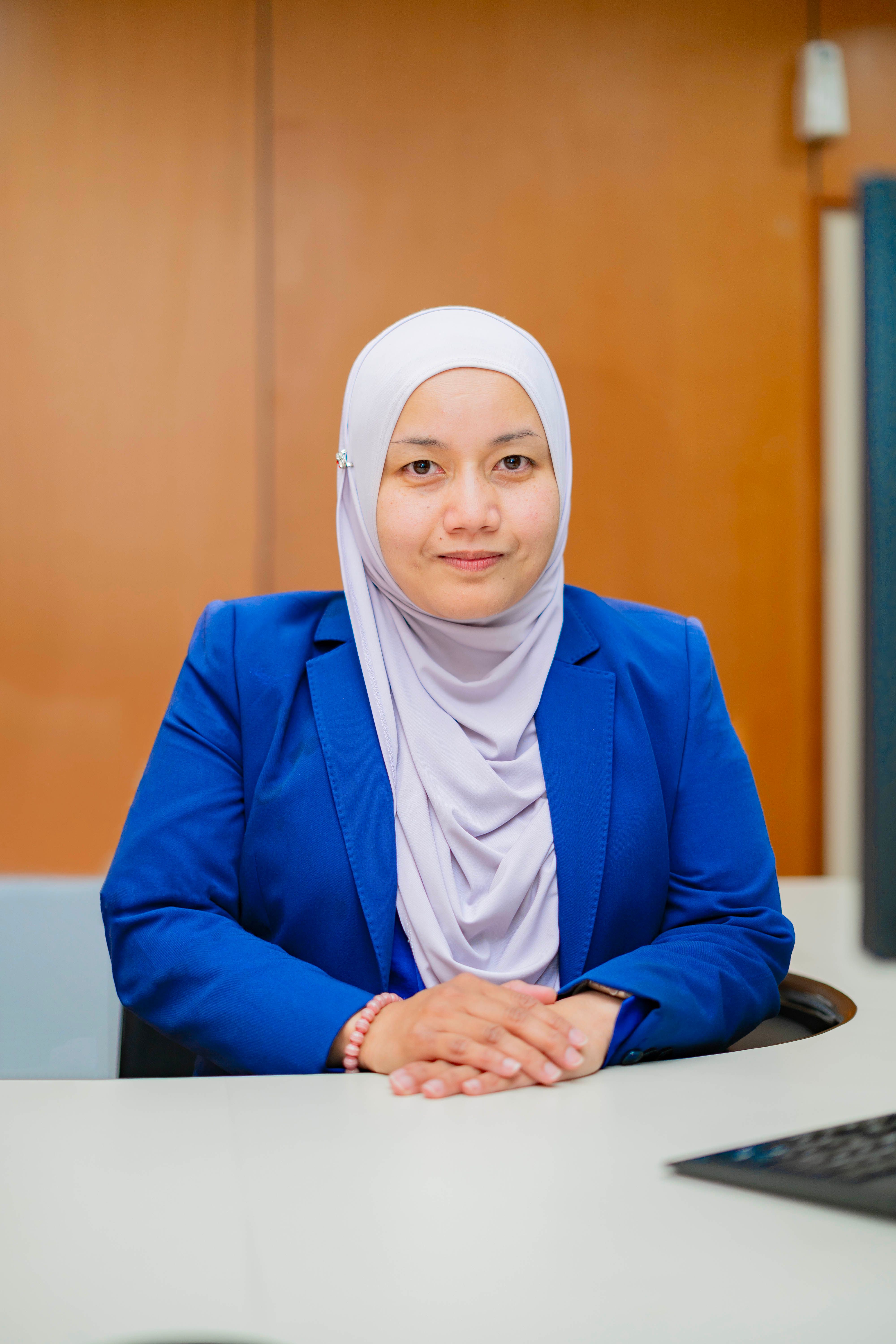
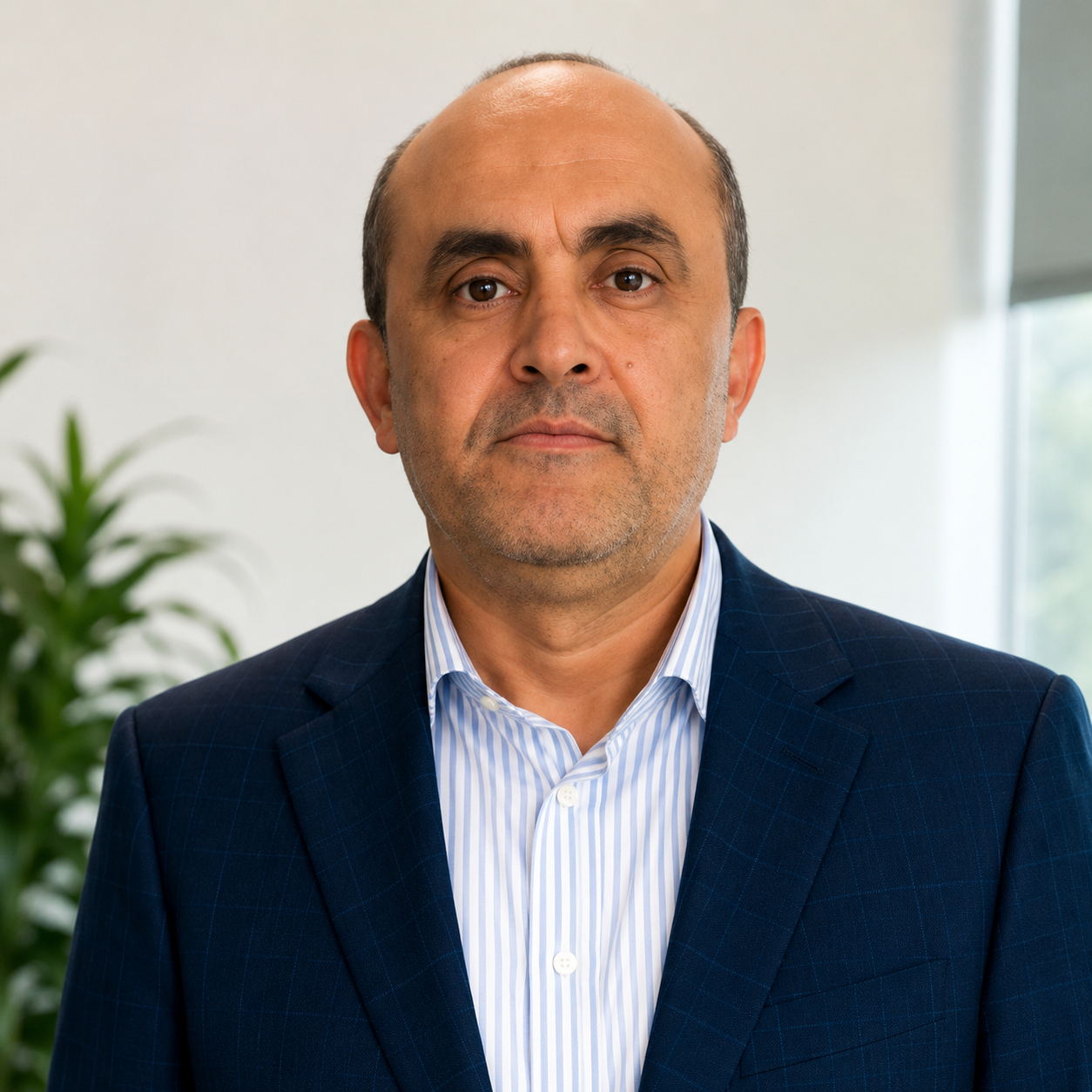
Merbau 190 minsChairperson



-
60 mins
-
Merbau 1100 mins
Session Managers:
- Foo Yau Teck, Production Technologist & WRFM Team lead, Brunei Shell Petroleum
- Kesavan Govinathan, Technical Sales Team Lead, DuneFront
- Amal Majeedah Aji, Senior Production Technologist, Petroleum Development Oman
- Suzanna Juyanty M Jeffry, Principal Production Technology, PETRONAS Carigali Sdn. Bhd.
As field developments become more complex and the demand for production optimisation increases, learning from past sand control applications is more important than ever. This session focuses on extracting practical insights from both successful operations and challenges encountered in the field. The discussion will highlight the importance of collaboration and integration across subsurface, drilling, and production teams to ensure effective sand control design and execution. Key subsurface considerations, including sand risk evaluation, rock property characterisation, and predictive modelling, will be explored to support better decision-making and improve operational reliability. The session will also cover failures and lessons learned, including root cause analysis, operational challenges, and post-job insights that have shaped improved practices. A range of case studies from infill, exploration, and development wells will be presented, showcasing different completion approaches and field conditions. Overall, this session aims to provide practical, experience-based learnings that can be applied to enhance sand control performance across the full life cycle of a well.
Discussion Leaders:
- Thru Tubing Gravel Pack (TTGP) Installations in Unconsolidated B-Sand Reservoirs: A Six-Year Field Experience in North Gas Fields by Zulkifli M Zin, Staff Production Technologist, PETRONAS Carigali Sdn. Bhd.
- From Failure to Framework: Lessons From an NFE Gravel-Pack Failure That Enabled Four Subsequent Successful OHGP Installations by Siti Nurhazimah Haji Abu Bakar, Senior Production Technologist, Brunei Shell Petroleum Co
- Fit-for-Purpose Sand Control Evolution Through Integrated Engineering: Unlocking Marginal Gas Reserves with up to 75% Completion Cost Reduction Resulting from Sand Control Technology Transitions by Muhammad Iqbal Prasetyo, Well Intervention Engineer, PT Pertamina Hulu Mahakam
- Sanding Prediction in Malaysian Basins: Field Experiences, Key Learnings, and Implications for Future Developments by Avirup Chatterjee, Geomechanics Advisor, Baker Hughes
- Understanding Functionality and Failure of Through-Tubing Deployed Ceramic Coated Sand Screens for Remedial Sand Control Applications using Numerical Simulations by Lukas Ochmann, Wells Engineer/Consultant, AtkinsRéalis/con-slot SCREENs
-
20 mins
-
Merbau 1100 mins
Session Managers:
- Afiq Ismail, Front End Well Completion Engineer, Brunei Shell Petroleum
- Zayful Hasrin Kamarudzaman, Petroleum Engineer, PETRONAS Carigali Sdn. Bhd.
- Jonathan Ambrose, Technical Director, Safeline Sdn. Bhd.
- Ratih Dwi Mutia , Business Manager, PT 3M Indonesia
Sand production has traditionally been managed through mechanical methods such as gravel packs, frac packs, and standalone screens, as well as remedial techniques like TTGPs, sand consolidation or drawdown management. As field environments become more complex and the industry faces increasing pressure to reduce costs and meet sustainability goals, operators are seeking greater performance and value from existing sand control technologies.
This requires redeploying proven systems in smarter, lower carbon and more economically efficient ways—extending the capability of conventional designs without compromising engineering assurance, reliability, or operational integrity. This session invites papers that demonstrate how existing sand control technologies can be elevated or adapted to deliver longer system life, improved completion performance, and reliable outcomes in challenging conditions. We welcome case studies showing how established solutions have been pushed beyond their traditional design envelope to provide smarter, more sustainable, and lower carbon solutions.
In addition, the session seeks contributions on digital and predictive advancements, including enhanced modelling, real time surveillance and data driven diagnostics that strengthen sand management decisions and enable more proactive operational strategies. Submissions offering measurable improvements, field learnings, optimized designs, improved execution practices, or digital workflows are strongly encouraged. Overall, the session aims to highlight practical advancements that expand the capability of today’s sand control systems and uplift industry practice.
Discussion Leaders:
- Extending Through-Tubing Sand Control Limits Using Multi-Size Conformable Sand Control System: Lessons from a Challenging Offshore Malaysia Application by Iryman Fikry Bin Salleh, Technical Sales Engineer, TAQA
- Modelling, Quantifying and Mitigating Slurry Roping in Open Hole Gravel Pack Operations by Samyak Jain, Sand Control Specialist, Dunefront and Batara Pande, Completion Engineer, ENI
- Role of Sand Volume and Sanding Rate Quantification in Sand Control and well Completion Decision, Example from a Deepwater Gad Field by Reynaldi Mikhael Chrislianto, Geomechanics Specialist, Baker Hughes
- Formation-Specific Mesh Screen Selection for Sand Control in Field X Using in-house Sand Retention Test by Sulaiman Sidek, Production Technologist, PETRONAS Carigali Sdn. Bhd.
-
Merbau 1100 mins
Session Managers:
- Qasman Metussin, Senior Production Technologist, Brunei Shell Petroleum
- Hasmizah Bt Bakar, Staff Production Technology, PETRONAS Carigali Sdn. Bhd.
- Kittithuch Hnuruang, Sr Well Operation Lead, PTTEP
Stretching the Limits, Cost-Effective and Value-Driven Sand Control for Sustainable Production, this session examines the technical challenges and solutions for managing produced solids at surface within production facilities. Focus will be placed on the design, selection, and integration of high-efficiency separation technologies, including multiphase cyclone systems, for effective solids removal under varying flow regimes. Key topics include separation efficiency, solids carryover, erosion prediction and mitigation, and the impact of sand production on facility operability and equipment integrity. The session will also address automated solids handling, continuous sand quantification, and applying real-time monitoring data to optimize production and reduce intervention frequency. Field case studies will demonstrate how engineered surface solutions can debottleneck facilities, maintain throughput, and reduce total cost of ownership, enabling reliable and sustainable production from sand-prone assets.
Discussion Leaders:
- Reconciling CFD Predictions with Field Operations: Performance of a 10-Inch Cyclonic Desander During High-Rate Gas Ramp-Up and Chemical Intervention by Hardito Sussatri, Production & Operation Engineer, Husky CNOOC Madura Limited
- Real-Time Erosion Monitoring for Informed Sand Management Decisions by Jonathan Ambrose, Technical Director, Safeline Sdn. Bhd.
- Beyond Well Testing: Expanding Surface Sand Management Capability Through High-Capacity Desanding Across the Asset Lifecycle by Luqman Ariff bin Lahmai, Operations Engineer, FAS Tools Sdn Bhd
- Breaking the Shut-In Cycle: Surface Dual-Pot Cyclonic Separation Technology as a Game Changer for Production Recovery and Real-Time Diagnosis of Severe Clay-Carbonate Solids Influx in HPHT Gas Well by Gede Siddiarta, Lead Production Engineer, Husky CNOOC Madura Limited
-
150 mins
-
Merbau 1100 mins
Session Managers:
- Abbas Khaksar, Global Geomechanics Advisor, Baker Hughes
- Vikash Kumar, Staff Well Engineer, Brunei Shell Petroleum
- Noppanan Nopsiri, Senior Engineer, Well Engineering, PTTEP
Modern sand management should integrate subsurface and surface facilities through system thinking or a Produce-to-Limit strategy. By linking reservoir characteristics & geomechanics principles, downhole sand control, surface infrastructure, integrated operating envelopes, standard practices and innovative thinking, operators can maximize recovery while protecting well integrity and facilities.This session explores the technical synergy required to maintain safe operating envelopes and prevent system-wide failure through case studies. Focus areas include driving project value through cross-disciplinary optimization, integrated change management, real-time monitoring for end-to-end performance optimization, maintaining barrier integrity, data-driven workflows, balancing sand exclusion with surface tolerance, and cross discipline ways of working that maximize total project value over field life.
Discussion Leaders:
- From Risk-Averse to Risk-Tolerant: An Integrated Subsurface and Surface Approach to Sand Management by Tham Kah Meng, Staff Production Technologist and Fathin Shalihah, Petroleum Engineer, PETRONAS Carigali Sdn. Bhd.
- Challenges and Innovative Solutions in Fine Sand Management in the Gulf of Thailand by Oranat Suwannakarn, Petroleum Engineer, Chevron Thailand E&P Ltd.
- Unlocking Production Potential in a Sand-Prone Gas Field Through Holistic Sand Management and Risk-Based Operations by Yip Pui Mun, Production Technologist, Searah (Malaysia) Sdn. Bhd.
- Addressing Reservoir Depletion, Liquid Dropout, and Sand Carry-Over in Dry Gas Offshore Gas Facilities Through Integrated Flow Assurance and Computational Fluid Dynamics by Fianti Ramadhani, Head of Production, Husky CNOOC Madura Limited --
-
20 mins
-
Merbau 1100 mins
Session Managers:
- Ertiawati Bt Mappanyompa , Staff Production Technologist, PETRONAS Carigali Sdn. Bhd.
- Sunanda Magna Bela , Principal Wells Completion & Completion Superintendent, PETRONAS Carigali Sdn. Bhd.
- M Farris Bakar, Principal Wells Completion Engineer, PETRONAS Carigali Sdn. Bhd.
- Gordon Goh, Project Manager, SLB
As operators pursue increasingly complex and marginal reservoirs, effective sand management is essential to sustain production, protect asset integrity and ensure economic viability. Challenging reservoirs—including heavy oil, thinly laminated formations, deepwater and HPHT environments, mature fields, and high drawdown or water prone systems—pose elevated risks of sand production, erosion, and equipment failure. In these contexts, sand management strategy selection can be project defining. It can make or break a project. This session will examine integrated sand management approaches across the full production system, from reservoir to surface facilities. Focus areas include sand failure characterisation, sanding risk prediction under dynamic operating conditions, and fit for purpose completion and production solutions. Case studies will highlight data driven workflows, advanced modelling, innovative materials, and real time monitoring technologies enabling safe, reliable and cost-effective development of challenging reservoirs.
Discussion Leaders:
- Sand Production Risk Assessment for CCS Injection Wells by Sadegh Asadi, Geomechanics Advisor and Abbas Khaksar, Global Geomechanics Advisor, Baker Hughes
- Operational Resilience in Shallow, High-Water Cut Reservoirs: Overcoming Sand Influx and Intervention Challenges in the Sadad Field by Adnan Saif Al Hinai, Production Technologist, Petroleum Development Oman
- Reducing Completion Costs Through Seismic-Based Sand Control Optimization in Shallow Unconsolidated Gas Reservoirs by Clara Armiliany, Analyst Development & Planning, PT Pertamina Hulu Mahakam
- A Comparative Study on Integrated Sand Management Approaches in Deepwater Malaysia: Strategies, Challenges and Surveillance Learnings by Hasmizah Bakar, Principal Production Technology, PETRONAS Carigali Sdn. Bhd.and Zurita Johar, Principal Production Technologist, PETRONAS
- Revisiting Sand Control Reliability in a Heavy-Fines Reservoir: Lessons from X76 Well Failure and Recovery Challenges by Siti Nurhazimah Haji Abu Bakar, Senior Production Technologist, Brunei Shell Petroleum Co.
-
60 mins
-
Merbau 1110 mins
Session Managers:
- Abdul Hazim bin Abdullah, Lecturer, Universiti Teknologi PETRONAS
- Muhammad Ruzaini Bin Shahrom, Specialist- Production Technology, PETRONAS
- Tham Kah Meng, Staff Production Technologist, PETRONAS Carigali Sdn. Bhd
- Siti Nur Mahirah M Zain, Completion Engineer, PETRONAS Carigali Sdn. Bhd.
Schedule will be shared by August 2026.
-
20 mins
-
Merbau 1100 mins
Session Managers:
- Pedro Saldungaray, Technical Advisor - International Business, Carbo Ceramics
- M Rizwan Rozlan, Staff Completions Engineer, PETRONAS Carigali Sdn. Bhd
- Mohd Azuwan Maoinser, Chair, Petroleum Engineering Department, Universiti Teknologi PETRONAS
- Oleksandr Kovalov, Subject Matter Expert, RL ProTec Sdn Bhd
As the oil and gas industry increasingly targets more demanding environments—such as deepwater developments, high-fines reservoirs, complex geomechanics, depleted brownfields and high-temperature, high-pressure (HTHP) conditions, sand control challenges have become more complex and less predictable. These conditions often expose the limitations of conventional sand control and completion practices, which may not always deliver the most reliable or value-driven outcomes.
This session will explore innovative approaches to sand control and completion design, with a focus on better integration across screen architecture, flow behaviour, placement strategy, and overall engineering methodology. It will examine advanced modelling techniques (including numerical, mathematical, simulation-based, and AI-driven approaches) alongside emerging technologies, design methods and research or pilot initiatives aimed at enhancing sand control performance.
Topics of interest include improving inflow performance, mitigating erosion risks, and developing more fit-for-purpose completion solutions. Emphasis will be placed on practical field applicability, sound engineering judgement, and innovation in design rather than reliance on any single technology platform. Ultimately, these advancements aim to enhance well integrity, extend production life, reduce intervention frequency, and support more resilient and efficient reservoir management.
Discussion Leaders:
- Innovative Sand Control Architectures for Improved Reservoir Recovery and Deployment Efficiency by Nabil Batita, Product Champion, SLB
- Cemented Monobore Completion with Wire-Wrap Boron Diffused Erosion-Resistant Sand Screens: First Field Deployment in the Gulf of Thailand, North Malay Basin by Sathiasegkaran, Senior Petroleum Engineer, Carigali-PTTEPI Operating Company Sdn. Bhd.
- Field Deployment of Externally Tungsten Carbide–Coated Erosion-Resistant Tubing for Erosion Mitigation in Gas-Lifted Dual Completion Wells, Offshore Malaysia by Mohd Saim Abd Rahman, Senior Production Technologist, EnQuest Petroleum --
- Application of Screen Erosion Testing in Fit-for-Purpose Sand Control Concepts by Vikash Kumar, Staff Wells Engineer (CWI) FEB, Brunei Shell Petroleum Co.
-
Merbau 130 mins